Tag Archives for " travel tips "

best-airline-approved-cat-carriers
Aug 10

5 Best Airline Approved Cat Carriers for Stress-Free Travel

By Jessica Monroe | Reviews

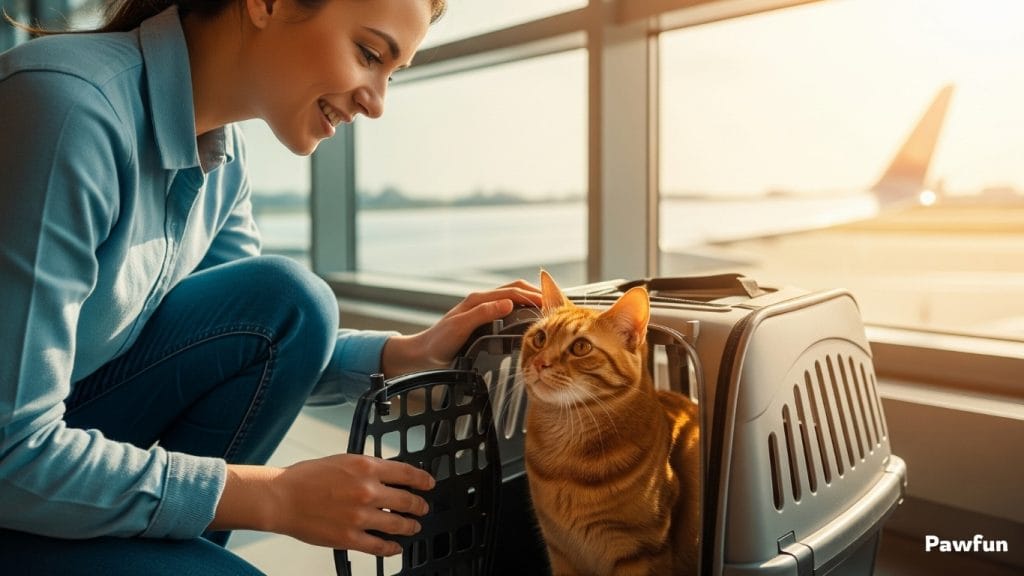
The best airline approved cat carriers are defined by one foundational attribute: dimensional compliance with a specific airline’s regulations. A traveler’s primary task is verifying these exact under-seat requirements on the airline’s website, as the U.S. Federal Aviation Administration (FAA) regulates the stowing procedure, not the travel-carrier product itself.
best-airline-approved-cat-carriers

The selection of a well-engineered pet transporter, however, extends beyond regulatory compliance. Independent research on crashworthiness from the Center for Pet Safety (CPS) revealed significant structural failures in untested carriers, highlighting the necessity of evaluating a product’s safety engineering. This focus on animal welfare is a core principle of international standards like the IATA Live Animals Regulations (LAR), which inform airline policies globally.

Navigating this regulatory and safety framework can be complex. This definitive guide is engineered to provide clarity, analyzing premier travel kennels against stringent performance, safety, and design criteria. Our analysis combines product evaluations with actionable expert guidance, from a pre-flight checklist to a carrier acclimation protocol. This resource aims to equip you with the knowledge to select a secure and compliant travel solution for your feline companion.

The following sections detail the carriers that meet these high standards.

Our Top Airline-Ready Cat Carrier Picks


The Best Airline Approved Cat Carriers in Detail

After analyzing dozens of options, we’ve narrowed the list down to the top performers that excel in safety, design, and airline compliance.

1. Sherpa Original Deluxe Carrier

Best For: The Anxious First-Timer

The Sherpa Original Deluxe is an icon in pet travel for a reason. Its standout feature is the “Guaranteed On Board®” program, which promises to refund your flight cost if you’re denied boarding due to the carrier. This single feature acts as powerful travel insurance, making it the top rated airline pet carriers choice for anyone nervous about their first flight with a feline … Click to read full post at PawFunPet

airline-cat-policy
Aug 09

Airline Cat Policy: 7 Secrets to Avoid an Airport Nightmare

By Jessica Monroe | How-To & Tips

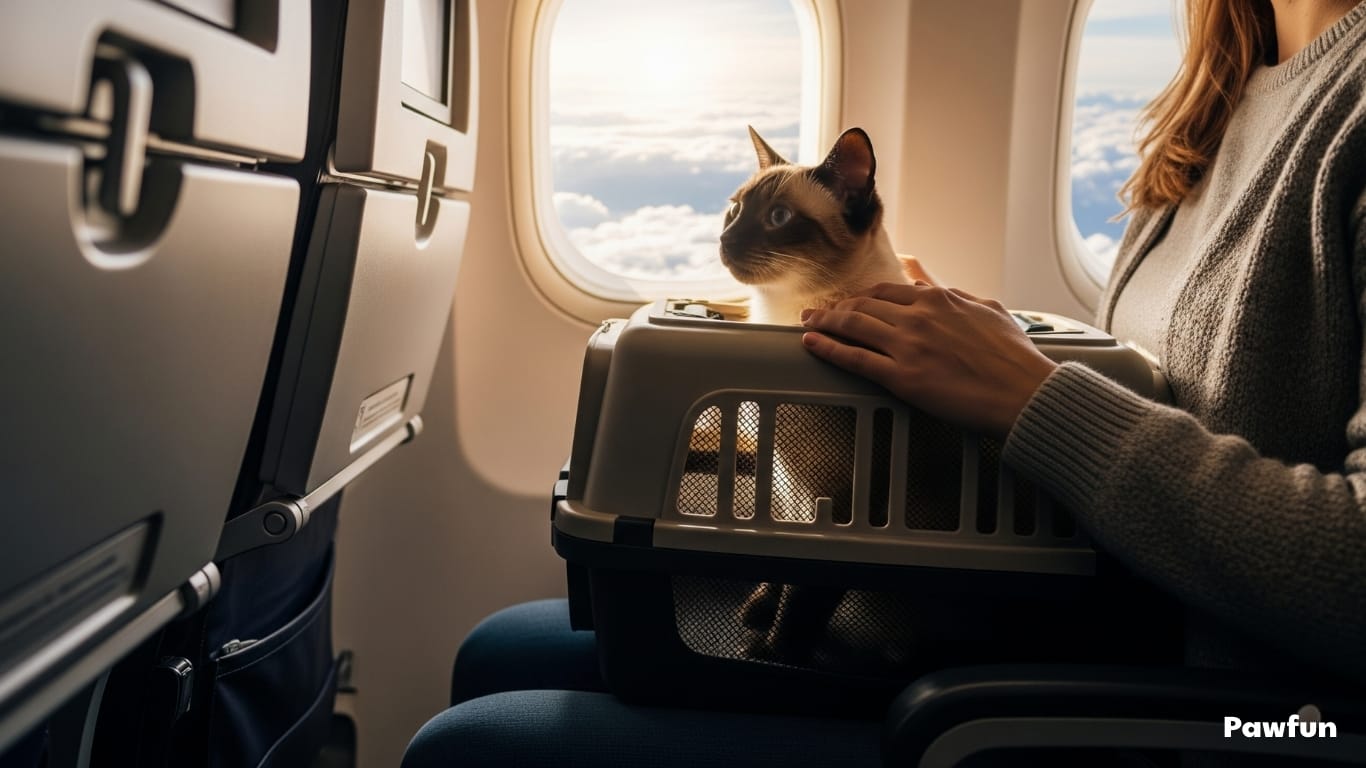
An airline cat policy constitutes a multifaceted regulatory system, not a mere guideline, governing the entire process of feline air transport. This directive outlines pivotal logistical conditions, such as the necessity for direct telephonic communication with the airline to secure one of the few available in-cabin pet reservations on a flight. These protocols also encompass stringent animal health standards, including the American Veterinary Medical Association’s (AVMA) formal advisory against tranquilization, a practice that induces significant cardiopulmonary complications at altitude.

airline-cat-policy-1

Comprehending these interconnected requirements is fundamental for compliance. The stipulations range from unyielding carrier specifications, like the International Air Transport Association (IATA) standard for metal hardware, to precise legal chronologies, such as the 10-day USDA-APHIS endorsement window for entry into the European Union. Adherence to this framework is the determinant between a successful transit and a denied boarding event.

While U.S. Department of Transportation (DOT) data indicates a low aggregate incident rate for animal transport (0.56 per 10,000 in 2023), these events are overwhelmingly concentrated in cargo, underscoring the necessity for meticulous preparation. This manual translates these complex airline regulations into an actionable strategy for safe passage. We will deconstruct each phase—from reservation and equipment to veterinary documentation and international compliance—to ensure you can navigate the system with proficiency. We will now proceed to the first foundational decision.

1. Understanding the Fundamentals: Your First Steps in Feline Air Travel

Before you do anything else, you must understand the two fundamental ways your cat can travel on an airplane: in the cabin with you or the cargo hold. The choice isn’t always yours; the airline pet policy dictates it, your cat’s size, and your destination.

  • In-Cabin Travel: This is the most common option for cats. To qualify, your cat must be small enough to fit comfortably in a carrier that slides under
Click to read full post at PawFunPet
airline-approved-cat-carrier
Aug 08

Best Airline Approved Cat Carrier (2025): A Simple 10-Point Guide

By Jessica Monroe | How-To & Tips

An Airline Approved Cat Carrier represents the pivotal instrument for air travel with a feline, yet its selection process is built upon a foundational misnomer. No single governing body, including the IATA or TSA, formally certifies specific carrier brands or pet travel kennels. The final determination of a travel container’s acceptability rests solely with airline personnel at the gate, transforming your choice into a high-stakes component of a successful expedition.

airline-approved-cat-carrier-1

This manual is engineered to reframe your objective from pursuing a non-existent certification to achieving unwavering airline compliance. We provide a practical framework built upon objective data: crash-test protocols from the Center for Pet Safety (CPS), veterinary directives against sedation from the American Veterinary Medical Association (AVMA), and the science behind stress-reduction through carrier acclimation. This comprehensive approach ensures your soft-sided carrier or airline approved cat carrier backpack is a secure vessel, not a source of anxiety, mitigating real-world risks documented in U.S. Department of Transportation incident reports.

Part 1: The “Airline Approved” Myth: A Traveler’s Guide to What Really Matters

Before we dive into product recommendations, we need to address the most significant misunderstanding in the world of pet travel. The term “airline approved cat carrier” is more of a marketing concept than a hard-and-fast certification.

1.1. Decoding the Label: Why “Airline Approved” is Not a Guarantee

Let’s be clear: there is no single, universal governing body that officially “approves” specific brands or models of pet carriers for in-cabin flight. Organizations like the International Air Transport Association (IATA) set guidelines for animal transport, particularly for cargo. Still, they do not endorse products like the Sleepypod Air cat carrier or the Sherpa Original Deluxe airline approved dog & cat carrier bag by name.

So, what does that “airline-approved” tag usually mean? It means the manufacturer … Click to read full post at PawFunPet

moving-with-a-cat
Aug 07

Moving with a Cat: 15 Simple Secrets to a Stress-Free Move

By Jessica Monroe | How-To & Tips

Moving with a cat is a multi-stage undertaking where success depends on a strategic framework and precise execution. This systematic process requires executing foundational safety protocols: a mandatory four-week indoor acclimation period for territorial establishment, a current microchip registry to ensure recovery if the cat is lost, and a designated ‘safe room’ to insulate the animal from moving-day chaos. Data support the efficacy of these measures; animal welfare research from the Journal of the American Veterinary Medical Association confirms a 20-fold increase in reunion rates for microchipped felines (38.5% vs. 1.8%).

moving-with-a-cat-1

This comprehensive blueprint addresses the cat relocation process as a project rooted in an understanding of feline behavior. It recognizes that proactive strategies, such as carrier desensitization, are proven to reduce measurable stress indicators during pet transport. The guide provides an actionable plan for the entire timeline, covering domestic logistics, the procedural compliance required for international pet relocation to destinations like the UK or Japan, and managing common post-move issues such as a cat refusing to eat. It is a complete resource designed to navigate this complex transition, protect your cat’s well-being, and ensure a secure and successful move into a new home.

1. The Pre-Move Blueprint: Setting the Stage for a Seamless Transition

Proper planning is the most critical factor in a successful move. By starting early and breaking the process down into manageable phases, you can significantly reduce cat anxiety moving house and create a foundation of security.

1.1. The Foundational Phase (2-3 Months Prior)

Your first steps set the tone for the entire relocation.

  1. Make the Carrier a Sanctuary, Not a Prison: The most common mistake is only bringing the carrier out for vet visits. Instead, make it a permanent, positive fixture in your home. Leave the door open, place a familiar blanket inside, and randomly
Click to read full post at PawFunPet
Sedate Cat for Travel
Aug 06

The Complete Guide to Sedate Cat for Travel (2025)

By Jessica Monroe | How-To & Tips

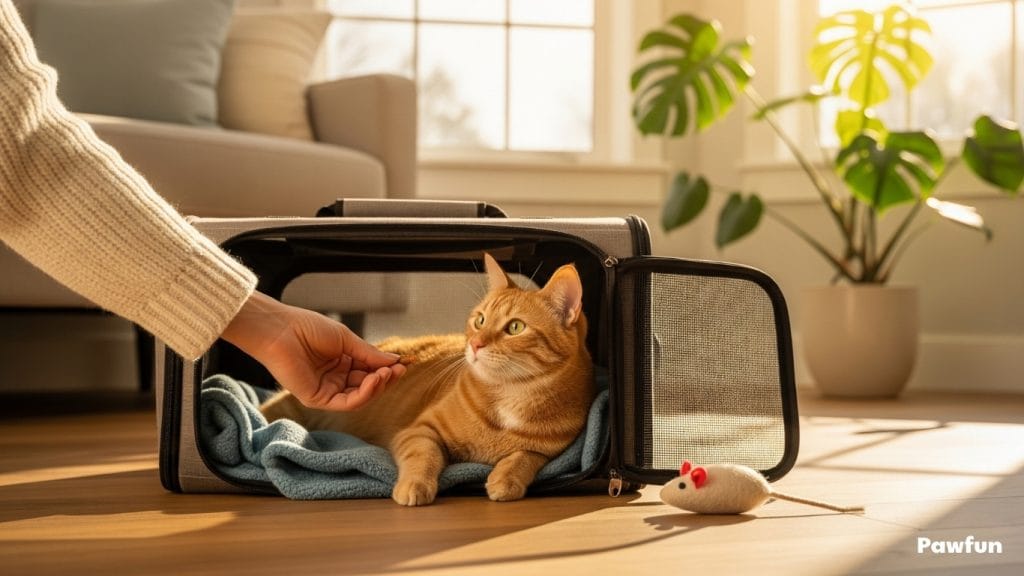
Sedate Cat for Travel represents a pivotal decision for a feline owner, a significant pharmacological intervention distinct from a simple convenience. This procedure is a core element of the broader stewardship known as Feline Travel Stress Management. The gravity of this choice is anchored by the legal mandate for an established Veterinarian-Client-Patient Relationship (VCPR), a requirement ensuring professional medical oversight and preventing the perilous misuse of medication.

sedate-cat-for-travel-1

This guide moves the owner from legacy methods to contemporary safety protocols. Key authorities, including the American Veterinary Medical Association (AVMA) and the International Air Transport Association (IATA), now contraindicate or forbid the use of traditional sedatives like acepromazine for air transport. These drugs induce chemical restraint but fail to alleviate the cat’s underlying fear, creating a dangerous state where a terrified animal experiences depressed respiratory and cardiovascular function at altitude.

The modern and ethical approach focuses on genuine anxiety reduction (anxiolysis) via a multimodal protocol. The foundational element is behavioral conditioning, supported by veterinarian-prescribed medication when indicated. A landmark 2017 study in the Journal of the American Veterinary Medical Association confirmed that a single dose of gabapentin—the current gold standard—produces a calmer, more compliant feline for travel. This comprehensive plan equips you to implement a safe, effective strategy that prioritizes your cat’s physiological stability and overall welfare.

The Comprehensive Guide to Ensuring Safety and Well-Being Sedate Cat for Travel 

I remember the first time I had to move across the country with my cat, Leo. I was a wreck, and so was he. My initial thought, born out of desperation, was to find something to knock him out for the long car ride. I look back on that now and realize how much I didn’t know and how my focus was on the wrong thing. The goal isn’t … Click to read full post at PawFunPet
Aug 05

Cat Passport Made Simple (2025): 4 Steps to Easy Travel

By Jessica Monroe | How-To & Tips

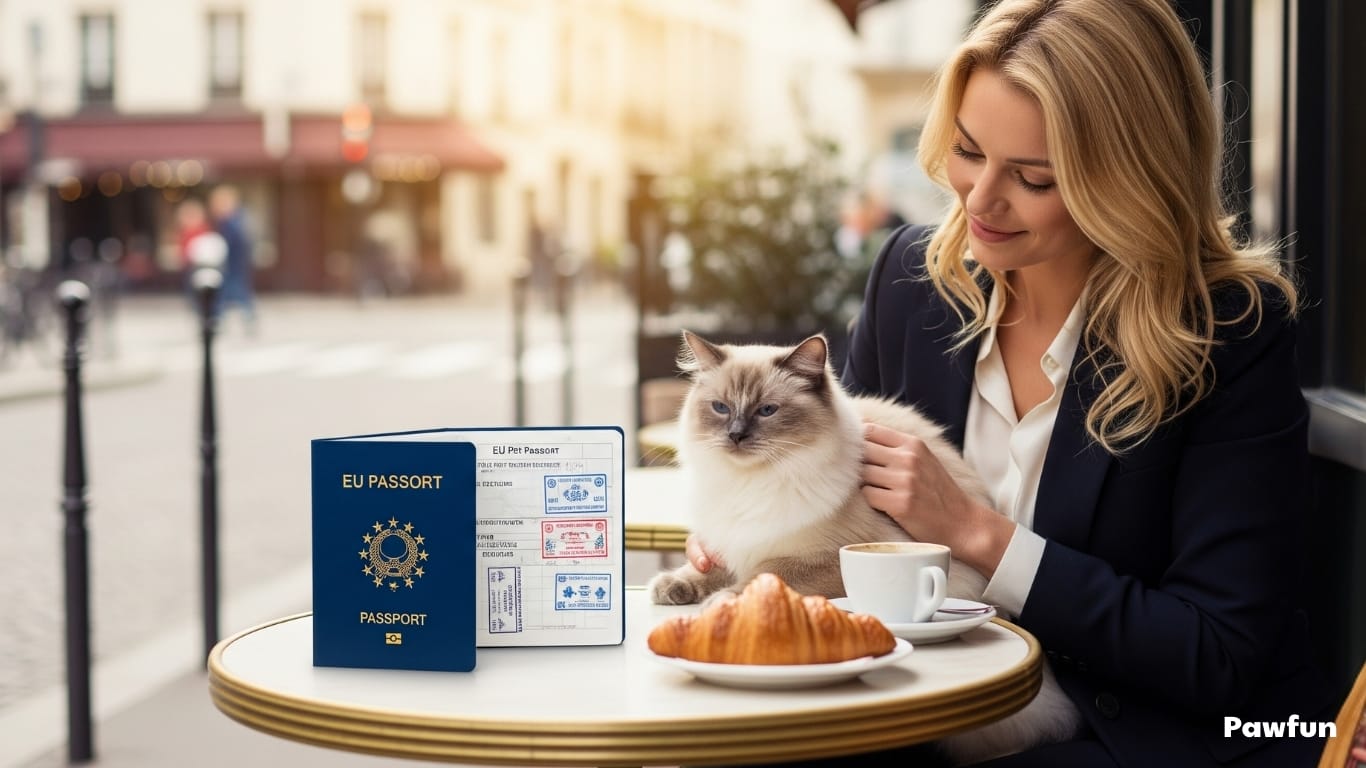
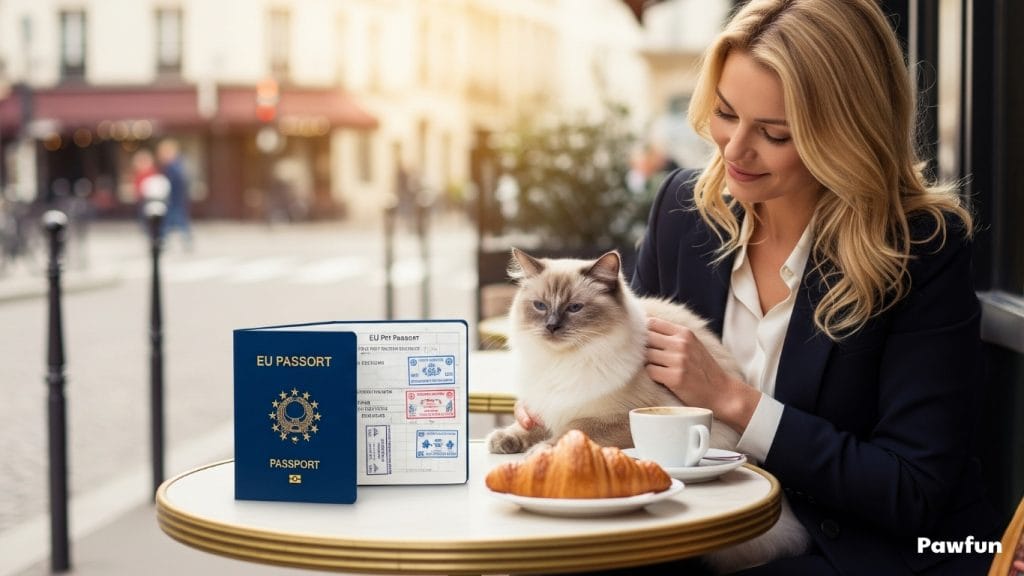
Cat Passport, for travelers originating outside the EU, represents a meticulous portfolio of official documents, not a singular booklet. This collection includes a government-endorsed health certificate, rabies vaccination records, and specific lab results. Assembling this documentation is a high-stakes protocol. At the same time, the USDA endorses over a million pet travel certificates annually. However, hundreds of animals still face quarantine in destinations like the UK due to simple compliance failures. An error in this unforgiving process can result in denial of entry.

Cat-Passport-1

This guide delivers a definitive framework for international feline travel. We outline the universal four-step preparation sequence, from the foundational ISO microchip (before which all tests are invalid) to the mandatory waiting periods of up to 180 days and the final, government-endorsed health certificate. The content clarifies the distinction between a true EU Pet Passport and the Animal Health Certificate you will need, details the regulations for key destinations, and provides a checklist to ensure a safe, legally compliant journey for your cat.

First Things First: Understanding What a “Cat Passport” Really Is

Before you can start the process, it’s critical to understand what people mean by “cat passport,” because the term has three very different meanings. Getting this wrong can lead to devastating consequences at the border.

The Official EU Pet Passport

This is the most literal interpretation. The official EU cat passport is a specific, government-issued blue booklet. It’s a lifelong document that contains a cat’s microchip information, rabies vaccination history, and other health records. However, here’s the crucial point for American travelers: it can only be issued by an authorized veterinarian within an EU member state for a pet residing there. It is used for travel between EU countries. You cannot get an EU cat passport in the United States for … Click to read full post at PawFunPet
Cat-Motion-Sickness-Remedies
Aug 04

Cat Motion Sickness Remedies: 5 Secrets for a Peaceful Journey

By Jessica Monroe | How-To & Tips

Cat Motion Sickness Remedies address an etiology rooted in a compounding cycle. The physiological response of nausea reinforces a cat’s conditioned fear of transport, and this psychological anxiety amplifies the physical malady. Interrupting this feedback loop is the central objective for achieving calm journeys.

Cat Motion Sickness Remedies

This blueprint provides a veterinarian-guided framework to resolve this condition, moving beyond outdated practices like administering human antihistamines. The multimodal strategy integrates three core components: foundational behavioral modification, environmental management, and pharmacological intervention. This approach is supported by animal welfare organizations like the American Association of Feline Practitioners (AAFP). It includes details on specific veterinary medications such as the antiemetic Maropitant (Cerenia®) and the anxiolytic Gabapentin. These treatments are essential tools for managing acute symptoms, which facilitates successful, long-term desensitization training.

The ultimate goal is to empower owners with the knowledge to create a safe, manageable travel experience through proactive conditioning and a clinical partnership with their veterinarian.

In This Guide, You’ll Find:

  • Decoding Your Cat’s Distress: Motion Sickness vs. Anxiety
  • Proactive Behavioral and Environmental Strategies
  • Evaluating Over-the-Counter and Natural Aids
  • A Guide to Prescription Medications with Your Vet
  • Your Complete Feline Travel Toolkit

Read on to learn how to turn travel trauma into tranquil transport for your feline companion.

1. The Complete Guide to Understanding and Managing Feline Travel Sickness

1.1. The Complete Guide to Understanding and Cat Motion Sickness Remedies

Before you can find the right cat motion sickness treatment, you have to understand what you’re up against. Is your cat physically ill from the motion, or is it pure terror about the experience? Honestly, it’s often a nasty combination of both. I once assumed my cat’s vomiting was purely from the car’s movement, but I later realized his anxiety about the carrier was making the physical symptoms a hundred times worse.… Click to read full post at PawFunPet

Cat-Won't-Stop-Meowing-in-Car
Aug 03

Cat Won’t Stop Meowing in Car: 10 Secrets Your Anxious Cat Will Love

By Jessica Monroe | How-To & Tips

When your Cat Won’t Stop Meowing in Car, this incessant vocalization signals a complex syndrome known as Feline Travel Distress. This condition originates from two primary causal pathways: psychological apprehension, defined as cat car ride anxiety, and physiological malaise, or cat motion sickness. Therefore, the foundational step in any effective management plan is a differential diagnosis by a veterinarian to exclude other underlying medical conditions, such as chronic pain or hypertension, which can manifest through similar signs of distress.

Cat-Won't-Stop-Meowing-in-Car-1

Resolving this issue is a systematic process, and clinical data confirms the efficacy of specific interventions. Research from the Journal of Feline Medicine and Surgery validates that coercive carrier entry significantly elevates stress markers, underscoring the necessity of proactive behavioral modification techniques like desensitization and counter-conditioning. For severe cases, pharmacological support offers a direct and humane solution. Potent antiemetic medications like Cerenia are proven in FDA trials to prevent nausea, while anxiolytics such as Gabapentin are used to modulate the fear response.

This article provides a complete, multi-modal framework to address Feline Travel Distress. We will methodically cover accurate diagnosis, long-term behavioral modification, immediate relief strategies for unavoidable trips, and a veterinary-guided review of therapeutic aids. The objective is to empower you with a definitive, actionable protocol to restore peace and safety to your travels.

1.1. The Critical First Step: Diagnosing the Root Cause of cat won’t stop meowing in car

Before you can fix the problem, you have to know what the problem actually is. Simply trying random solutions is like throwing darts in the dark. The most effective strategies are targeted. Is your cat terrified, or is he feeling sick? The answer is the foundation of your entire plan. For many cats, it’s a combination of cat car ride anxiety and cat motion Click to read full post at PawFunPet
Cat-Friendly-Hotels-1-1
Aug 02

Cat Friendly Hotels: 9 Secrets to Find One Your Cat Will Truly Love

By Jessica Monroe | How-To & Tips

Cat Friendly Hotels require a distinct search strategy, as the standard “pet-friendly” label in the lodging industry often signifies “dog-tolerant.” This policy disparity is not anecdotal; data from the travel platform BringFido verifies that fewer than 50% of establishments advertised as pet-welcoming accept feline guests. The challenge is significant, especially as booking data from Hilton reveals “pet-friendly” was its third most utilized search parameter in 2023, signaling a mainstream demand for inclusive pet travel.

Cat Friendly Hotels

This playbook offers a definitive framework for navigating the accommodation landscape. The process moves beyond unreliable filters to a non-negotiable verification protocol, centered on the most critical action: direct communication with the hotel to secure explicit approval for your cat in the booking confirmation. It delivers a tiered analysis of hotel chains, identifies gold-standard brands that waive pet fees for cats, and deconstructs hidden costs that, per a NerdWallet analysis, can inflate lodging expenses by an average of 23%. From pre-booking diligence to on-site protocols, this resource equips you with the specialized knowledge to secure suitable lodging for your feline companion.

Your Step-by-Step Playbook for Hotel Travel with Your Cat

Decoding the ‘Pet-Friendly’ Promise: The First, Most Critical Step

The journey to finding great cat friendly hotels begins with understanding a fundamental truth of the hospitality industry. That little paw-print icon next to a hotel’s name is often a starting point, not a guarantee. The ambiguity of the term “pet-friendly” is the single biggest hurdle for cat owners, but with a bit of know-how, you can confidently navigate it.

Why ‘Pet-Friendly’ Often Means ‘Dog-Tolerant’

Have you ever wondered why it seems so much easier to find a hotel for a dog than a cat? It’s not your imagination. In the hotel world, “pet-friendly” has primarily become a marketing shorthand for “dog-tolerant.” Many hoteliers are wary of … Click to read full post at PawFunPet
How to Get a Health Certificate for Cat Travel
Aug 01

How to Get a Health Certificate for Cat Travel in 7 Simple & Easy Steps

By Jessica Monroe | How-To & Tips

How to get a health certificate for cat travel is a protocol that hinges upon one pivotal principle: for international transit to regulated jurisdictions like the European Union or Japan, the animal’s ISO-compliant microchip must be implanted before the rabies immunization is administered. This procedural sequence is absolute.

How to Get a Health Certificate for Cat Travel

Research in the Veterinary Record identifies such administrative errors—not the cat’s health status—as the primary driver for repercussions like denied airline boarding or mandatory quarantine. The biosecurity risk of non-compliance is underscored by public health organizations like the CDC, which connect protocol lapses to disease importation events.

This official legal instrument, the Certificate of Veterinary Inspection (CVI), represents the final output of a multi-stage logistical undertaking. A valid certificate requires the reconciliation of intersecting timelines dictated by distinct authorities: government import regulations, such as the EU’s non-negotiable three-month waiting period following a Rabies Titer Test (RNATT), and separate airline animal welfare standards, like IATA’s “fit for transit” mandate, which often surpass government requirements.

This guide provides a universal 7-step framework to navigate the veterinary examinations, mandatory government endorsements from entities like USDA APHIS, and international transport laws to secure a valid travel credential for your cat.

1. Decoding the Cat Health Certificate: More Than Just a Vet’s Note

Before we dive into the steps, let’s get one thing straight. The document you need isn’t just a casual letter from your veterinarian. It’s a legal instrument with a very specific name and purpose. It’s called a Certificate of Veterinary Inspection (CVI), and it’s your cat’s official passport to a new destination. Its purpose is twofold: first, it proves to the destination country or state that your cat is healthy and not a risk for spreading infectious diseases, satisfying their biosecurity laws. Second, it assures the airline that your cat is physically fit … Click to read full post at PawFunPet