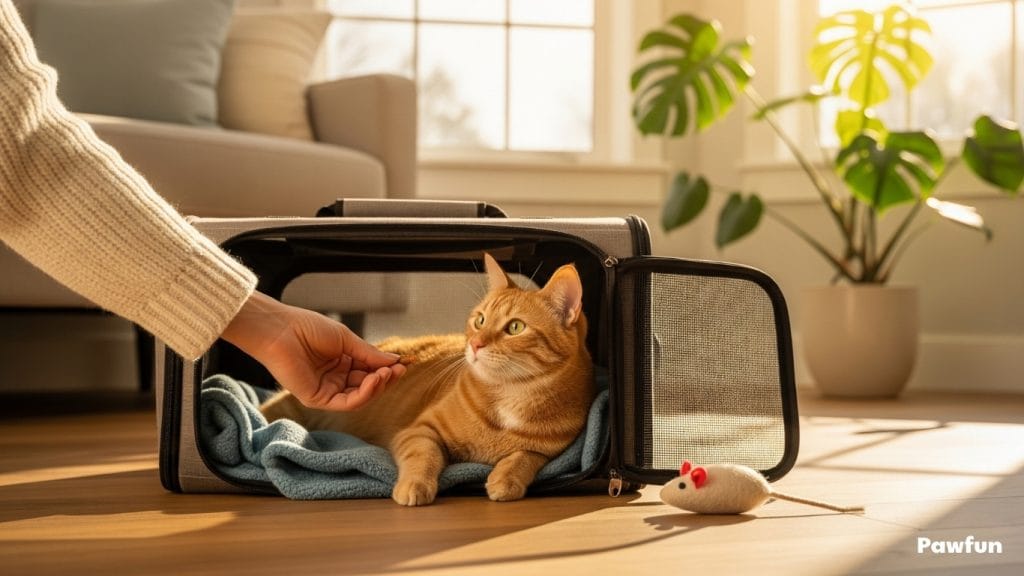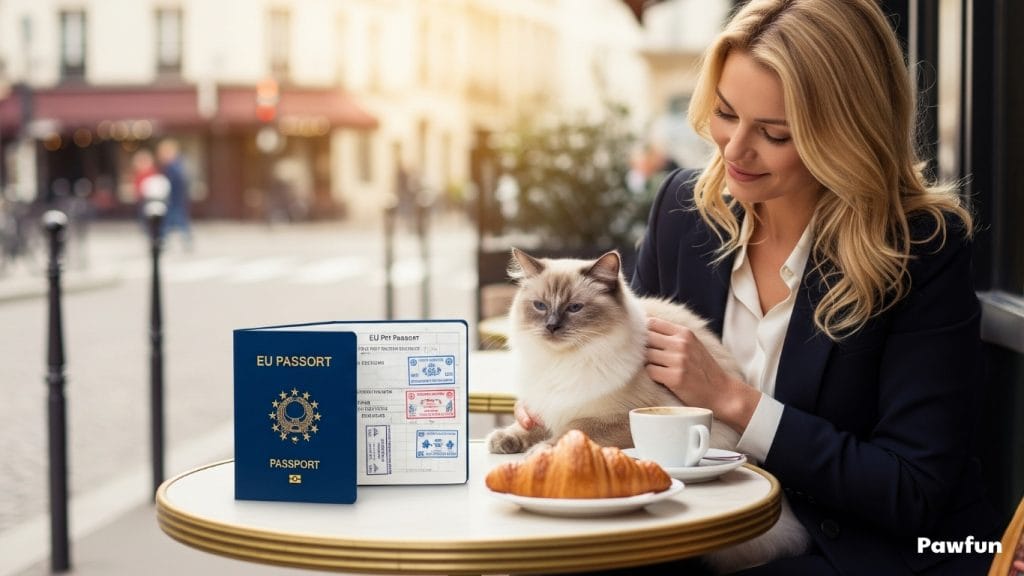
best-soft-sided-cat-carriers
Aug 15

4 Best Soft-Sided Cat Carriers for Your Cat’s Ultimate Comfort

By Jessica Monroe | Reviews

The best soft-sided cat carriers are foundational safety equipment for your pet during transit. This selection requires understanding that an “airline-approved” label on an in-cabin pet carrier is not a universal guarantee of compliance, and that secure containment is a function of non-negotiable standards like escape-proof locking mechanisms and structural integrity.
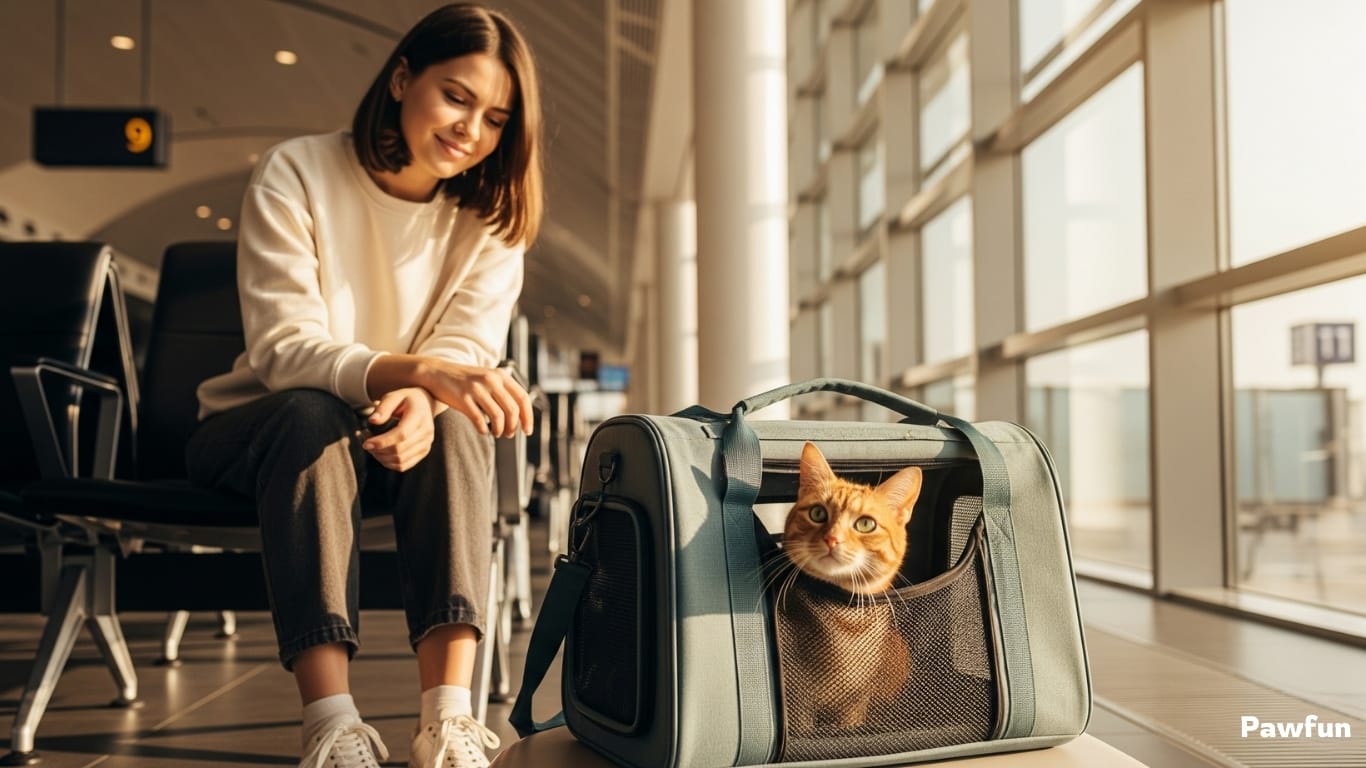
best-soft-sided-cat-carriers

Empirical data from authoritative bodies inform this evaluation. Crash-test results from the Center for Pet Safety define the need for durable construction in vehicular transport. At the same time, feline behavioral science and AAFP handling guidelines advocate for specific carrier designs, such as top-loading entries, to mitigate animal stress.

To navigate this complex choice, this comprehensive guide evaluates premier travel totes—from the Sherpa Original Deluxe to the PetAmi Backpack—and maps each feline transport system to specific user requirements. We provide a detailed buying framework, an expert-backed acclimation protocol, and direct answers to frequent user queries to ensure a successful travel outcome for both you and your cat.

Choosing Your Carrier: A Deep Dive into Hard vs. Soft Cat Carriers

Before you choose a specific model, it’s crucial to understand the fundamental choice: hard vs soft cat carrier. Each has distinct advantages.

  • Hard-Sided Carriers: These are often seen as the traditional choice. They offer maximum protection, are incredibly durable, and are the easiest to wipe down and sanitize. However, they are also bulky, heavy, and their rigid shape offers no flexibility for fitting into tight spaces like under an airplane seat.
  • Soft-Sided Carriers: This modern option offers superior comfort and flexibility. They are lightweight, easy to store, and often feature padded interiors. Their biggest advantage is the ability to compress slightly, making them the superior choice for air travel. As many cat owners on platforms like Reddit will attest, the debate of soft vs hard cat carrier reddit threads often concludes that for comfort and airline travel, soft carriers win.

Ultimately, do cats prefer hard or soft carriers? Most cats seem to like the cozier, den-like feel of a padded cat carrier, but the most critical factor is proper and patient acclimation.

What to Look For: A Buyer’s Checklist for the Perfect Soft Carrier

Not all soft carriers are created equal. Use this checklist to ensure you’re choosing a high-quality product that prioritizes your cat’s needs.

  • Prioritizing Security: Essential Escape-Proof Features
    A determined cat can exploit any weakness. Look for an escape-proof cat carrier with features like locking zippers or clips that prevent them from being pawed open. The frame should also be sturdy and not collapse on your pet.
  • Decoding Airline Rules: What ‘Airline-Approved’ Really Means
    The term airline approved pet carrier is a marketing claim, not a universal certification. It means the carrier is designed to meet most airlines’ general requirements. You must always call your specific airline to confirm their exact under-seat dimensions before flying. A carrier with a flexible frame is a huge asset here.
  • Sizing for Safety and Comfort
    A large soft sided cat carrier isn’t always better. The carrier should be just large enough for your cat to stand up and turn around. For car travel, a snug fit is safer as it prevents them from being jostled. Always check the weight limits, but measuring your cat is the most reliable method.
  • Ventilation and Visibility
    Good airflow is non-negotiable. A ventilated cat carrier with mesh on at least three sides prevents overheating and reduces anxiety. It also allows you to see your cat and for them to see you.
  • Ease of Use for You
    Consider features that make your life easier: a top-loading cat carrier for easy entry, a washable cat carrier liner for inevitable messes, a lightweight pet carrier design, and comfortable, padded shoulder straps. A luggage sleeve is a must for navigating airports.

Comparison of the Top Soft-Sided Cat Carriers of 2024

Our In-Depth Reviews of the 4 Best Soft-Sided Cat Carriers

Here are our detailed reviews of the top carriers that excel in safety, design, and user satisfaction.

1. Sherpa Original Deluxe – Our Top Pick for the Best Soft-Sided Cat Carriers Overall

The Sherpa Original Deluxe is an icon in pet travel for a reason. Its entire design is centered on one thing: stress-free air travel. This carrier is the gold standard for those who fly frequently with their feline companions.

Sherpa Original Deluxe Travel Pet Carrier, Airline Approved - Black, Large

Sherpa Original Deluxe Travel Pet Carrier, Airline Approved - Black, Large

4.5 / 5 (8,323 ratings)
$76.79

Its standout feature is the patented spring-wire frame that allows the rear of the carrier to compress, conforming to tight under-seat spaces without sacrificing your cat’s interior room. It’s also part of the exclusive “Guaranteed On Board” program, which offers a refund if you’re denied boarding by a participating airline. This provides unparalleled peace of mind. The durable soft-sided carrier construction and secure locking zippers make it a haven in a busy airport.

  • Best For: The Frequent Flier who needs an utterly reliable and airline-compliant carrier.
  • Pros: Guaranteed On Board program, flexible frame for under-seat fit, top and side entry, strong ventilation, and waterproof interior base.
  • Cons: Shoulder strap can be uncomfortable for heavier pets, luggage strap can feel a bit loose, and lacks an interior safety tether.

2. Petsfit Expandable Travel Carrier – Best for Long-Distance Comfort

For long journeys, layovers, or road trips, the Petsfit carrier is a game-changer. While it functions as a standard, compliant soft cat carrier airline approved for travel, its true genius lies in its expandable side.

Petsfit Expandable Cat Carrier Dog Carriers,Airline Approved Soft-Sided Portable Pet Travel Washable Carrier for Kittens,Puppies,Removable Soft Plush mat and Pockets,Locking Safety Zippers

Petsfit Expandable Cat Carrier Dog Carriers,Airline Approved Soft-Sided Portable Pet Travel Washable Carrier for Kittens,Puppies,Removable Soft Plush mat and Pockets,Locking Safety Zippers

4.6 / 5 (2,107 ratings)
$52.99

With a simple unzip, one side of the carrier folds out into a spacious mesh “porch,” nearly doubling your cat’s room to stretch out and relax. This feature is invaluable during long waits at the gate or for providing more space in the car. The Petsfit expandable airline approved pet carrier features a very sturdy wire frame that prevents collapsing, self-locking zippers, and a plush, washable pad, making it a comfortable and secure cat transport bag.

  • Best For: The Long-Distance Traveler who needs to provide extra space and comfort during extended trips or layovers.
  • Pros: “Game-changing” expandable side, very sturdy frame that doesn’t collapse, lightweight design, self-locking zippers, multiple carrying options.
  • Cons: The soft interior liner may not hold up to heavy scratchers, and the storage pocket is on the smaller side.

3. AmazonBasics Soft-Sided Mesh Pet Travel Carrier – Best Budget-Friendly Option

If you need a functional, no-frills carrier for infrequent trips like vet visits or occasional travel, the AmazonBasics soft sided pet travel carrier offers incredible value. It includes all the essential features you need at a price that’s hard to beat.
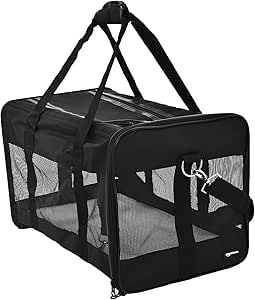
Amazon Basics Soft-Sided Mesh Pet Travel Carrier for Dog, Cat, up to 22 pounds, 19.7\\\\\\\

Amazon Basics Soft-Sided Mesh Pet Travel Carrier for Dog, Cat, up to 22 pounds, 19.7\\\\\\\" L x 12\\\\\\\" W x 12\\\\\\\" H, Black

4.4 / 5 (28,743 ratings)
$29.99

This carrier has both top and front entry, mesh panels for ventilation, a removable fleece bed, and carrying handles with a shoulder strap. Its simple, collapsible cat carrier design makes it easy to store flat. While it lacks the premium features of others, it’s a perfectly reliable choice for the budget-conscious owner who doesn’t need an ergonomic handles for travel or advanced locking systems. For a simple carrier from a trusted source, the soft sided cat carrier amazon basics model is a top contender.

  • Best For: The Budget-Conscious Buyer needing a reliable carrier for occasional use.
  • Pros: Exceptional price point, includes all basic features (top/side load, washable pad), conforms well to under-seat dimensions.
  • Cons: Lacks locking zippers, has a noticeable chemical smell initially, and the shoulder strap is thin and can be uncomfortable.

4. PetAmi Deluxe Pet Carrier Backpack – Best for Hands-Free Urban Travel

For the cat owner on the go, the PetAmi premium airline approved soft sided pet travel carrier backpack is the ultimate solution for practical, hands-free transport. It’s perfect for navigating public transit, walking through the city, or even light hiking.

PetAmi Dog Backpack Carrier for Small Large Cat, Pet, Puppy, Ventilated Pet Hiking Backpack Travel Bag, Airline Approved Cat Backpack Carrier, Camping Biking Dog Bag Up to 18lbs Pet, Black

PetAmi Dog Backpack Carrier for Small Large Cat, Pet, Puppy, Ventilated Pet Hiking Backpack Travel Bag, Airline Approved Cat Backpack Carrier, Camping Biking Dog Bag Up to 18lbs Pet, Black

4.6 / 5 (8,071 ratings)
$39.99

This cat backpack carrier is designed for the owner’s comfort as much as the cat’s. It features well-padded shoulder straps, a padded back, and supportive chest and waist buckles to distribute weight evenly. For the cat, it offers excellent ventilation, a firm structure to prevent collapsing, and an interior safety strap to clip to a harness. It’s one of the best soft cat carrier options for those who prioritize mobility.

  • Best For: The Practical Urbanite who walks, hikes, or uses public transport with their cat.
  • Pros: Excellent hands-free convenience, very comfortable to wear with chest/waist straps, great ventilation, reinforced structure.
  • Cons: Vertical orientation isn’t ideal for all cats or for fitting under some airline seats, and sherpa lining is only on the bottom.

Expert Advice for Stress-Free Travel

As a leading DVM warns, “A carrier is a safety device, first and foremost. It should be large enough for the cat to stand up and turn around, but not so large that they’ll be tossed around during a sudden stop. Always prioritize sturdy construction and escape-proof zippers over aesthetics.”

How to Help Your Cat Acclimate to Their New Carrier

A Certified Cat Behavior Consultant advises, “The biggest mistake owners make is treating the carrier like a trap that only appears for vet visits. The key is to de-stigmatize it. Leave the carrier out in your living room, open, with a favorite blanket inside. It should become a normal, non-threatening piece of furniture.” Follow these steps:

  1. Make it Familiar: Leave the carrier open in a central room for several days.
  2. Make it Inviting: Place a soft blanket, a t-shirt with your scent, or catnip inside.
  3. Use Positive Reinforcement: Place treats inside, letting your cat enter and exit freely.
  4. Practice Short Closures: Once they are comfortable, close the door for a few seconds, then reward them.
  5. Take a Test Drive: Start with short trips around the house, then to the car and back, to break the negative association. This is a crucial step to reduce cat travel anxiety.

Frequently Asked Questions About Soft-Sided Cat Carriers

H3: Are soft-sided carriers better than hard-sided ones?

A: It depends. For air travel and general comfort, a high-quality soft sided pet carrier is superior due to its flexibility and lightweight design. Hard-sided carriers offer more protection in a car and are easier to deep-clean, but are soft or hard cat carriers better really comes down to your primary mode of transport.

H3: How do I know what size carrier to get for my cat?

A: Weigh your cat to check the manufacturer’s limit, then measure their length (nose to tail-base) and height (floor to shoulders). The carrier should be a few inches larger in each dimension. This is especially important when choosing the best soft cat carrier for large cats.

H3: What does ‘airline-approved’ actually mean?

A: It’s a marketing term indicating the manufacturer designed it to fit most airlines’ under seat pet carrier rules. As a Pet Travel Expert states, “The term ‘airline-approved’ can be misleading… Always call your airline to confirm their specific under-seat measurements before you fly.” The TSA pet carrier rules are more about the screening process than the carrier dimensions themselves.

H3: What is the best cat carrier for an anxious cat?

A: A carrier for a nervous cat should have a sturdy frame that won’t collapse, excellent ventilation, and secure, locking zippers. A top-loading option can also reduce the stress of getting them inside. Look for models that feel more like a secure den than a flimsy bag. These cat carrier safety features are paramount.

H3: Can I put my two small cats in one carrier?

A: It is strongly advised against by both veterinarians and airlines. Even bonded cats can become stressed and aggressive in a confined space during travel. For safety, each pet needs their carrier.

Conclusion: The Right Carrier for a Happier Journey

Choosing the right carrier is one of the most important decisions you can make for your cat’s travel safety and your peace of mind.

For the ultimate in airline security, the Sherpa Original Deluxe and its Guaranteed On Board program are the unrivaled choice. For those embarking on long road trips or facing extended layovers, the extra room provided by the Petsfit Expandable Carrier is a true blessing.

When it comes to everyday, practical use and hands-free mobility, the PetAmi Backpack Carrier excels. At the same time, the AmazonBasics Carrier provides a safe, functional solution for those on a tight budget.

By investing in the right carrier and taking the time to acclimate your cat properly, you can transform travel from a stressful ordeal into a smooth and manageable adventure for you both.

With the perfect carrier secured, you’ve laid the foundation. Now, it’s time to master the rest of the journey with our complete guide: How to Travel with a Cat: 21 Practical Tips for a Happy and Joyful Adventure.

best-cat-carrier-for-large-cats
Aug 14

End Travel Anxiety: The 6 best Cat Carrier for Large Cats for Your Ultimate Peace of Mind.

By Jessica Monroe | Reviews

The best cat carrier for large cats is determined by a foundational principle of feline welfare: the enclosure must permit the animal to stand and turn without restriction. This single requirement, supported by veterinary science to reduce transport-induced stress, forms the basis of a correct purchase decision. Beyond this, a successful choice depends on understanding two operative principles: first, that “airline-approved” is a commercial term requiring independent verification of carrier dimensions against specific airline regulations; and second, that a top-loading hatch is a critical behavioral tool for managing an uncooperative or anxious feline.

best-cat-carrier-for-large-cats

This guide provides a systematic framework for navigating these factors, grounded in established safety protocols from authoritative bodies like the American Veterinary Medical Association (AVMA) and the International Air Transport Association (IATA). We analyze six distinct transport kennels, mapping each solution to a precise user profile—from ‘The Frequent Flier’ requiring IATA-compliant gear to the ‘Owner of a Gentle Giant’ needing a heavy-duty cat carrier for vehicle safety. Our evaluation synthesizes product engineering with real-world owner feedback. It integrates applied behavioral science to provide a proven acclimation process, transforming the carrier from a source of anxiety into a secure territory.

Below, you will find our in-depth product assessments, a strategic buying guide, and an expert-backed FAQ section.

Top Large Cat Carriers at a Glance

In-Depth Reviews: The Best Cat Carrier for Large Cats

We’ve put these carriers under the microscope. Here’s the detailed breakdown of why each one excels in its category.

1. Petseek Extra Large Cat Carrier – Best Large Cat Carrier for Car Travel

The Petseek carrier is less of a bag and more of a mobile den. Its standout feature is an internal steel frame that provides incredible structure, completely solving the dreaded “sag” problem common in other soft large cat carriers.

Extra Large Cat Carrier Soft Sided, Portable Small Dog Carrier for 2 Cats, 24\\\

Extra Large Cat Carrier Soft Sided, Portable Small Dog Carrier for 2 Cats, 24\\\"x16.5\\\"x16\\\" Car Travel Folding Comfortable Design with Bowl, Grey

4.5 / 5 (3,558 ratings)
$69.99

This is the ultimate choice for the Road Warrior. It’s the ideal solution for moving, long car trips, or creating a secure temporary space for your cat. The cavernous interior has enough room for a Maine Coon carrier or a Ragdoll cat carrier to stand, turn, and even relax. When you’re done, it folds down nearly flat, making it a collapsible pet carrier that’s easy to store. The inclusion of seatbelt loops makes it one of the safest large cat carriers for car travel. However, be warned: its grand size makes it unsuitable for in-cabin air travel.

  • Best For: Extra-large breeds (20+ lbs), long road trips, and owners who need a sturdy, stable, and spacious cat carrier.
  • Pros: Exceptional space, very sturdy steel frame prevents collapsing, folds flat for convenient storage, and has multiple doors for easy access.
  • Cons: Too large for airline cabins, can have a chemical smell initially, and is heavy to carry with a large cat inside.

2. Petmate Two Door Top Load Pet Kennel – The Ultimate Carrier for Hates-the-Carrier Cats

For every owner who has fought to push a resistant, splayed-out cat into a front-loading carrier, the Petmate Two Door is a revelation. This extra large hard cat carrier features a secure front door and, more importantly, a wide top-loading hatch. This design allows you to gently lower your cat into the carrier, turning a stressful struggle into a simple, calm process.

petisfam Top Load Cat Carrier Bag for Medium Cats and Small Dogs. Airline Approved, Collapsible, Escape Proof and Auto-Safe. Easy to get cat in and Make Vet Visit Less Stressful

petisfam Top Load Cat Carrier Bag for Medium Cats and Small Dogs. Airline Approved, Collapsible, Escape Proof and Auto-Safe. Easy to get cat in and Make Vet Visit Less Stressful

4.7 / 5 (7,386 ratings)
$35.99

This is the definitive choice for the “My Cat HATES the Carrier” persona. Its heavy-duty plastic and steel-wire construction make it a fortress, perfect for ensuring the safety of an escape proof cat carrier for anxious felines on the way to the vet. It’s also incredibly easy-clean cat carrier after any accidents. Its main drawback is that it’s not designed for air travel, and its bulky, rigid shape makes it awkward to store.

  • Best For: Owners of difficult or anxious cats, vet visits, and maximum security during car trips.
  • Pros: Top-loading door is a game-changer, extremely sturdy and secure, easy to sanitize, and excellent ventilation.
  • Cons: The Top door doesn’t stay open on its own, assembly can be tedious, and it’s bulky to store.

3. Sherpa Original Deluxe – Best Overall Airline-Approved Carrier for Large Cats

The Sherpa Original Deluxe is the gold standard for flying with a pet. Its most critical feature is a patented spring-wire frame that allows the carrier to flex, enabling it to compress and fit under a wide variety of airline seats. This carrier is part of Sherpa’s “Guaranteed On Board” program, which provides travelers with incredible peace of mind.

Sherpa Original Deluxe Travel Pet Carrier, Airline Approved - Black, Large

Sherpa Original Deluxe Travel Pet Carrier, Airline Approved - Black, Large

4.5 / 5 (8,323 ratings)
$76.79

This is the quintessential in-cabin pet carrier large for The Frequent Flier. It is well-ventilated, features escape-proof locking zippers, and is lightweight. While the “Large” size is rated for cats up to 22 pounds, it can be a snug fit under smaller regional jet seats. Always double-check your airline’s specific dimensions before flying. The best soft cat carrier for large cats who need to fly, its only minor flaw is a base that can sag with a heavier pet.

  • Best For: Flying in-cabin, owners who want the security of the “Guaranteed On Board” program.
  • Pros: Flexible frame fits under airline seats, G.O.B. program offers confidence, excellent ventilation and security, and good overall quality.
  • Cons: “Large” size can still be a tight squeeze on some planes, the base can sag with a heavy cat carrier, and the shoulder strap could be more comfortable.

4. Petsfit Expandable Travel Carrier – Best for Long-Haul Comfort

The Petsfit carrier addresses a significant pain point of travel: confinement. While it functions as a standard, airline-compliant carrier during transport, it features two zip-out “porches” that dramatically increase your cat’s space during long layovers or once you’ve reached your hotel.

Petsfit Expandable Cat Carrier Dog Carriers,Airline Approved Soft-Sided Portable Pet Travel Washable Carrier for Kittens,Puppies,Removable Soft Plush mat and Pockets,Locking Safety Zippers

Petsfit Expandable Cat Carrier Dog Carriers,Airline Approved Soft-Sided Portable Pet Travel Washable Carrier for Kittens,Puppies,Removable Soft Plush mat and Pockets,Locking Safety Zippers

4.6 / 5 (2,107 ratings)
$52.99

This is the perfect comfortable pet carrier for the Long-Haul Traveler. Giving your cat the ability to stretch out fully in an enclosed space is a luxury that significantly reduces travel stress. It features a solid wire frame and a firm base, so it’s a carrier that doesn’t sag. It’s well-suited for cats under 18 pounds.

  • Best For: Long trips with extended waits, providing extra room and comfort without letting the cat out.
  • Pros: Expandable space is a lifesaver, sturdy frame prevents collapsing, and travel-friendly features like luggage straps and pockets.
  • Cons: Not for the largest cats (18 lb limit), concerns about mesh durability, and zippers can be stiff initially.

5. SturdiBag Pro 2.0 Pet Carrier (XL) – The Champion for Gentle Giants

When a “large” carrier just isn’t large enough, the SturdiBag Pro 2.0 XL steps in. This is the best pet carrier for large cats that are truly giant, like Maine Coons and Ragdolls. It boasts a massive 40-pound weight capacity and generous headroom thanks to its patented “flex-height” arched design.

SturdiBag Pro 2.0 Pet Travel Carrier for Cats and Dogs | Soft Sided Pet Carrier Bag with Safety Clips and Seatbelt Straps for Car Travel | XL, Black

SturdiBag Pro 2.0 Pet Travel Carrier for Cats and Dogs | Soft Sided Pet Carrier Bag with Safety Clips and Seatbelt Straps for Car Travel | XL, Black

4.2 / 5 (34 ratings)
$124.00

This is the undisputed choice for the Owner of a Gentle Giant. Despite its size, it’s remarkably lightweight yet built from rugged, durable pet carrier 600-denier polyester. The structural integrity is phenomenal, and it will not collapse or sag, even with a 25-pound cat inside. A huge bonus: the entire carrier is machine washable. Note that this XL size is strictly a heavy-duty cat carrier for car travel and is too large for flying in-cabin.

  • Best For: Truly giant cat breeds (25-40 lbs), car travel, owners who need the most durable and sturdy travel cage in a soft-sided format.
  • Pros: Genuinely fits extra-large pets, surprisingly lightweight for its durability, excellent structural integrity, and fully machine washable.
  • Cons: Not for air travel, high price point, privacy flaps can be finicky.

6. AmazonBasics Soft-Sided Mesh Pet Travel Carrier – Best on a Tight Budget

For the owner who needs a functional carrier for very occasional, short trips, the AmazonBasics carrier gets the job done at an unbeatable price. It’s a no-frills workhorse that is lightweight and features both top and front loading, a convenience often found on more expensive models.

Amazon Basics Soft-Sided Mesh Pet Travel Carrier for Dog, Cat, up to 22 pounds, 19.7\\\\\\\

Amazon Basics Soft-Sided Mesh Pet Travel Carrier for Dog, Cat, up to 22 pounds, 19.7\\\\\\\" L x 12\\\\\\\" W x 12\\\\\\\" H, Black

4.4 / 5 (28,743 ratings)
$29.99

This is the top pick for the Cost-Conscious Owner with a calm cat. It is an amazon large cat carrier that serves its basic purpose for a quick trip to a local vet. However, its low price comes with compromises. It lacks an internal frame, leading to significant sagging, and many users report flimsy zippers and a strong chemical smell upon arrival. This is not the carrier for an anxious cat or any form of stressful, long-distance travel.

  • Best For: Budget-minded shoppers, short and infrequent trips with a calm pet.
  • Pros: Excellent value for the price, convenient top-and-front loading, very lightweight.
  • Cons: Sags significantly (“taco effect”), strong chemical smell, flimsy zippers are a concern for escape artists.

How to Choose the Best Cat Carrier for Large Cats: A Buyer’s Guide

Selecting the right carrier is about more than just a product recommendation. It’s about understanding your cat’s needs and your travel style. Use this checklist to make the right decision.

Expert Insight from a Feline Behaviorist: “The biggest mistake owners make is treating the carrier like a trap that only appears for vet visits. The key to a calm travel experience is acclimation. The carrier should become a permanent, safe fixture in your home—a ‘den’ with a comfy blanket and occasional treats inside.”

1. Size & Weight: Go Beyond the Scale

A carrier for a 20 lb cat needs to accommodate their length, not just their weight. Your cat must be able to stand up and turn around. Measure them from nose to tail-base (length) and floor to head (height), then add 3-4 inches to find the minimum carrier dimensions.

2. Hard-Shell vs. Soft-Sided Cat Carrier

There’s a clear winner for different scenarios.

  • Hard-Shell: Best for security and cleaning. The top choice for escape artists, very anxious cats, and car travel, where maximum protection is key.
  • Soft-Sided: Best for flexibility and storage. This is essential for most air travel and convenient for those with limited storage space. The key is to find one with a strong internal frame to prevent sagging.

3. Must-Have Features: Loading and Locks

Look for a top loading cat carrier for large cats. This feature is a lifesaver for getting an uncooperative cat inside without a fight. Secondly, inspect the zippers. Look for locking clips or self-locking pulls that a panicked cat cannot easily force open.

4. Your Travel Type: Air vs. Car

  • Flying: “Airline-approved” is a starting point, not a guarantee. You MUST check the specific under-seat dimensions for your airline and aircraft. Look for flexible carriers designed for this purpose.
  • Driving: Safety is paramount. Choose a carrier that can be securely fastened with a seatbelt. Both sturdy soft-sided and hard-shell carriers work well.

A Veterinarian’s Warning: “When choosing a carrier, especially for a large cat, safety and ventilated cat crate design are non-negotiable. The carrier must have ample mesh on at least three sides to ensure proper airflow, which is critical for regulating body temperature and reducing stress during travel.”

From Foe to Friend: How to Get Your Cat to Tolerate Their Carrier

A positive association is key. Follow these steps to transform the carrier from a scary box into a safe space. This is how to get a cat in a carrier without the drama.

  1. Make it Furniture: Place the carrier in your living room, door open, for at least a week.
  2. Make it a 5-Star Hotel: Add a soft blanket and toss treats or catnip inside daily.
  3. Introduce Mealtime: Start feeding your cat their meals just inside the door.
  4. Practice Closing the Door: Briefly close the door while they eat, then open it again.
  5. Take a “Fun” Trip: The first trip shouldn’t be to the vet. Carry them to another room, let them out, and give them a treat.

Frequently Asked Questions (FAQ)

H3: What size carrier do I need for a 25 lb cat?

For a cat of this size, you are in the extra-large category. You need to prioritize both weight capacity and dimensions. The SturdiBag Pro 2.0 (XL) is the best choice, with a 40 lb weight limit and ample room. The Petseek Extra Large Carrier is also an excellent option, especially for car travel, with a 55 lb limit.

H3: Are hard or soft carriers better for anxious cats?

For an extremely cat carrier for anxious cats, a hard-shell carrier like the Petmate Two Door is often superior. The rigid walls can make them feel more secure and protected, and the solid construction offers better escape and prevention.

H3: What are the TSA cat carrier rules?

The TSA requires that your pet be removed from its carrier, which must then be sent through the X-ray scanner. The pet must remain under your control during this process. The carrier itself must fit securely under the seat in front of you for the duration of the flight. This is why flexible carriers like the Sherpa Original Deluxe are so popular for air travel.

H3: Can a large cat be a carry-on?

Yes, but with strict limitations. Most airlines have a combined weight limit for the pet and carrier (often around 20 lbs) and strict dimensional limits. A “large” cat that is 15-18 lbs might be able to fly in-cabin in a carrier like the Sherpa or Petsfit, but a 25-lb Maine Coon cannot. Always check with your specific airline.

Our Final Verdict

Choosing the best large cat carrier comes down to matching the right product to your unique cat and travel needs.

  • For Air Travel, the Sherpa Original Deluxe is the most reliable and trusted choice.
  • For Difficult Cats and Vet Visits, the Petmate Two Door Top Load will save you stress and scratches.
  • For Ultimate Space and Car Travel, the Petseek Extra Large Carrier provides a stable, roomy den on wheels.
  • And for the Truly Giant Breeds, the SturdiBag Pro 2.0 XL is the only soft-sided carrier that offers the space and durability you need.

By investing in the right carrier, you’re not just buying a product; you’re investing in your cat’s safety and well-being, ensuring every journey you take together is as calm and comfortable as possible.

With the perfect carrier secured, you’ve laid the foundation. Now, it’s time to master the rest of the journey with our complete guide: How to Travel with a Cat: 21 Practical Tips for a Happy and Joyful Adventure.
best-cat-backpack-carrier
Aug 12

8 Best Cat Backpack Carrier That Your Cat Will Genuinely Love

By Jessica Monroe | Reviews

The best cat backpack carrier selection process is governed by two foundational principles: your cat’s physical safety and its psychological well-being. The journey toward a suitable pet porter begins with non-negotiable hardware—specifically, secure, self-locking zippers—to neutralize the primary escape risk. Equally important is the behavioral component: transforming the feline carrier into a stress-free ‘safe space.’ This is paramount, as a 2018 study in Veterinary Sciences found 58.1% of cats show distress before transport even begins, which validates the need for gradual acclimation.

best-cat-backpack-carrier

This definitive resource helps you navigate these dual challenges. We move beyond simplistic reviews to evaluate premier products against core performance metrics—structural integrity, feline comfort, and owner ergonomics—while mapping each model to a specific user persona. Our framework for evaluation demands a holistic assessment of safety mechanisms, correct sizing, and positive reinforcement.

The consequences of a poor choice are significant. Data from the American Veterinary Medical Association (AVMA) confirms that an enclosed space can cause hyperthermia, with temperatures rising dangerously in just 10 minutes. This fact makes our analysis of ventilation systems and the inherent risks of ‘bubble’ style backpacks essential reading.

Inside, you will find in-depth product analysis, an expert-developed safety protocol, and a step-by-step acclimation guide. Let us identify the optimal mobile haven for your feline companion.

Our Top Cat Backpack Picks for [Current Year]

In-Depth Reviews: The 8 Best Cat Backpack Carriers

We evaluated each backpack based on safety, cat comfort, owner comfort, durability, and special features. Here’s the detailed breakdown of why these carriers made our list.

1. Travel Cat “The Navigator” – Best Hiking Cat Backpack

The Travel Cat “The Navigator” isn’t just a carrier; it’s professional-grade gear for serious adventurers. If your idea of a good time involves trails, elevation, and long walks, this is the pack that ensures both you and your cat are comfortable and secure. The build quality is immediately apparent, with premium materials and an ergonomic design for humans.

Travel Cat Backpack Carrier - The Navigator Convertible Pet Carrier Backpack - Cat Carrier Backpack with Fully Ventilated Mesh (Earth)

Travel Cat Backpack Carrier - The Navigator Convertible Pet Carrier Backpack - Cat Carrier Backpack with Fully Ventilated Mesh (Earth)

4.7 / 5 (140 ratings)
$159.95

Pros:

  • Exceptional build quality and durability designed for outdoor use.
  • Superb owner comfort with thickly padded, highly adjustable shoulder, chest, and waist straps.
  • Excellent safety with clips on all zippers and two internal harness tethers.
  • Generous storage, including pockets and a water bladder pouch.

Cons:

  • Premium price point; it’s a significant investment.
  • It is heavier than basic models due to its robust construction.
  • The light grey color is prone to showing dirt easily.

Verdict: Best For The Trailblazer & The Safety-First Parent. This is the best hiking cat backpack for those who refuse to compromise on quality and security. It’s built to last and provides unparalleled support for long journeys.

2. Petsfit Expandable Cat Backpack – Best for Safety & Value

The Petsfit Expandable Cat Backpack is a standout for cat owners who prioritize security. It directly addresses the number one fear: a feline escape artist. This is one of the few models in its price range that features self-locking zippers, a critical feature for peace of mind. Combined with a sturdy frame and an expandable back, it’s a powerhouse of function and safety.

Petsfit Dog Backpack Carrier,Cat Backpacks Expandable with Great Ventilation,Fleece Mat,Perfect for Hiking,Camping Hold Pets Under 22lbs

Petsfit Dog Backpack Carrier,Cat Backpacks Expandable with Great Ventilation,Fleece Mat,Perfect for Hiking,Camping Hold Pets Under 22lbs

4.5 / 5 (566 ratings)
$73.29

Pros:

  • Escape-proof cat backpack design with self-locking zippers.
  • Solid wire frame and sturdy base prevent collapsing on your pet.
  • Excellent 22 lb weight capacity, making it a great cat backpack for large cats.
  • Expandable back provides a spacious resting area.
  • Comfortable for the owner with supportive chest and waist straps.

Cons:

  • Its boxy shape is more functional than stylish.

Verdict: Best For The Gentle Giant Owner & The Value-Seeking Trailblazer. If security is your top concern, the locking zippers make this a top choice. It offers the high-end safety and expandable features of premium packs at a fantastic price.

3. Pecute Expandable Cat Backpack – Best for Maximum Space

For owners of big cats who love to stretch out, the Pecute Expandable Cat Backpack is a dream come true. Its defining feature is a massive, foldable back “tent” that dramatically increases your cat’s personal space during rest stops. The XL version is a haven for larger breeds like Maine Coons and Ragdolls, offering generous vertical and horizontal space even when closed.

Pecute Cat Backpack Carrier, Expandable Cat Backpack for Cats Dogs up to 11 lbs, Pet Travel Backpack for Small Dogs Medium Cats, Cat Carrier with Ventilated Mesh, Safety Leash, Hiking Outdoor, Grey​

Pecute Cat Backpack Carrier, Expandable Cat Backpack for Cats Dogs up to 11 lbs, Pet Travel Backpack for Small Dogs Medium Cats, Cat Carrier with Ventilated Mesh, Safety Leash, Hiking Outdoor, Grey​

4.2 / 5 (24 ratings)
$35.99

Pros:

  • Huge expandable back provides significant extra room for relaxation.
  • Sturdy wire frame holds its shape well.
  • The XL version is genuinely roomy for big cats up to 22 lbs.
  • Excellent ventilation with multiple mesh windows and a roll-down sunshade.

Cons:

  • The XL version can feel bulky for more petite owners.
  • Some reports of inconsistent quality on newer batches (e.g., sticking zippers).

Verdict: Best For The Gentle Giant Owner & The Trailblazer. This Pecute cat backpack is perfect for those who take their cats to parks or on trips where they’ll be stationary for a while, allowing their pet to lounge in comfort.

4. Travel Cat “The Fat Cat” Cat Backpack – Best Bubble Backpack for Large Cats

“The Fat Cat” from Travel Cat combines the fun aesthetic of bubble cat carriers with the serious capacity needed for bigger felines. It’s strong, stylish, and a favorite among urban cat adventurers. The ability to switch between the classic bubble and a traditional mesh screen makes it incredibly versatile for different weather conditions and cat personalities.

Fat Cat Backpack Carrier - Airline Approved Cat Carrier with Space Capsule Bubble for for Small Cats, Kitten - Premium Charcoal Cat Carrier Backpack for Outdoor, Travel, Hiking, Pet Supplies

Fat Cat Backpack Carrier - Airline Approved Cat Carrier with Space Capsule Bubble for for Small Cats, Kitten - Premium Charcoal Cat Carrier Backpack for Outdoor, Travel, Hiking, Pet Supplies

4.2 / 5 (408 ratings)
$124.99

Pros:

  • Impressive 25 lb weight capacity holds even the largest cats.
  • Spacious interior provides plenty of room.
  • Interchangeable bubble window and mesh screen attachment included.
  • Sturdy, well-made construction with premium materials.

Cons:

  • Premium price point.
  • The plastic bubble window is prone to scratching.

Verdict: Best For The Gentle Giant Owner & The City Slicker. If you own a large cat and love the cat backpacks with bubble window look, this is your best bet. It’s a durable, high-capacity, and stylish option from a trusted brand.

5. PETKIT Pet Backpack Carrier – Best High-Tech Carrier

For the tech-savvy cat parent, the PETKIT Pet Backpack Carrier is in a league of its own. This carrier addresses the critical issue of airflow uniquely: with a built-in, quiet fan for active air circulation. An integrated interior light adds another layer of high-tech convenience, making it easy to check on your pet in low-light conditions.

PETKIT Cat Backpack Carrier with Inbuilt Fan & Light, Airline-Approved Pet Backpack Bubble for Kitty Small Dog, Detachable Dog Backpack with Padded Strap for Travel, Hiking, Walking & Outdoor

PETKIT Cat Backpack Carrier with Inbuilt Fan & Light, Airline-Approved Pet Backpack Bubble for Kitty Small Dog, Detachable Dog Backpack with Padded Strap for Travel, Hiking, Walking & Outdoor

4.5 / 5 (2,579 ratings)
$60.47

Pros:

  • Built-in fan provides excellent proper ventilation, a massive plus for warm climates.
  • Integrated interior light for easy viewing of your pet.
  • Sleek, futuristic hard-shell design prevents collapse.
  • A tinted window helps reduce glare and stress for your cat.

Cons:

  • Requires an external USB power bank (not included) to operate the fan and light.
  • High price point.
  • The hard shell can get warm in direct sun.

Verdict: Best For The High-Tech Enthusiast & The City Slicker. Especially for those living in warmer areas, the active ventilation system of this cat backpack with fan provides incredible peace of mind.

6. Halinfer Space Capsule Expandable Cat Backpack – Best for Style on a Budget

The Halinfer Space Capsule brings together two of the most popular features—the bubble window and an expandable back—into one stylish and affordable package. It’s “astronaut” design is a head-turner, and the expandable tent function provides a welcome space for your cat to relax once you reach your destination.

Cat Backpack Carrier, Expandable Space Capsule Polarized Pet Carrier for Kitten and Small Dog, Pet Carrying Hiking Traveling Backpack

Cat Backpack Carrier, Expandable Space Capsule Polarized Pet Carrier for Kitten and Small Dog, Pet Carrying Hiking Traveling Backpack

4.7 / 5 (3,727 ratings)
$34.99

Pros:

  • Features both a bubble window and an expandable back tent.
  • Fun, modern aesthetic that stands out.
  • Lightweight and easy to carry.
  • Great value for a feature-packed backpack.

Cons:

  • Low weight limit of 12 lbs makes it unsuitable for larger cats.
  • Bubble window can get hot and is prone to scratching.
  • Zippers are not the locking type.

Verdict: Best For The City Slicker & The Cautious First-Timer. This is an excellent choice for owners of smaller cats who want a fun, stylish backpack with the bonus of an expandable space without a high price tag.

7. Lollimeow Cat Backpack Carrier – Best for Maximum Ventilation

For cat owners whose top priority is airflow, the all-mesh version of the Lollimeow Cat Backpack Carrier is a fantastic choice. This design maximizes ventilation from multiple angles, ensuring your cat stays cool and comfortable. The brand also offers popular expandable bubble models, providing options for different preferences at a mid-range price.

Lollimeow Cat Backpack Carrier, Ideal for Small Animals & Puppies, Outdoor Adventures, Vet Transport. Fully Ventilated Design for Ultimate Comfort On-The-Go

Lollimeow Cat Backpack Carrier, Ideal for Small Animals & Puppies, Outdoor Adventures, Vet Transport. Fully Ventilated Design for Ultimate Comfort On-The-Go

4.6 / 5 (6,432 ratings)
$24.99

Pros:

  • All-mesh models offer superior ventilation compared to most competitors.
  • The expandable models are a popular feature for added comfort.
  • Generally lightweight and easy to carry.
  • Affordable mid-range price point.

Cons:

  • Lack of locking zippers is a significant security concern for some cats.
  • Some users question the long-term durability of the zippers and internal tether.

Verdict: Best For The Max Ventilation Seeker. If you live in a hot climate or have a cat that tends to overheat, the Lollimeow all-mesh design is one of the best choices for keeping them cool.

8. PetAmi Deluxe Pet Carrier Backpack – Best Budget Cat Backpack

The PetAmi Deluxe Pet Carrier Backpack proves you don’t have to spend a fortune to get a feature-rich and functional carrier. It’s the perfect entry-level choice, offering an astonishing range of features—including chest and waist straps, side pockets, and a collapsible water bowl—at a price that’s hard to beat. The sheer variety of color options is a massive plus for owners who value personalization.

PetAmi Dog Backpack Carrier for Small Large Cat, Pet, Puppy, Ventilated Pet Hiking Backpack Travel Bag, Airline Approved Cat Backpack Carrier, Camping Biking Dog Bag Up to 18lbs Pet, Black

PetAmi Dog Backpack Carrier for Small Large Cat, Pet, Puppy, Ventilated Pet Hiking Backpack Travel Bag, Airline Approved Cat Backpack Carrier, Camping Biking Dog Bag Up to 18lbs Pet, Black

4.6 / 5 (8,071 ratings)
$39.99

Pros:

  • Incredible value for the price.
  • Huge selection of colors to choose from.
  • Comes with useful extras like a collapsible water bowl.
  • Comfortable for the pet with a soft, cozy sherpa lining.

Cons:

  • Lacks structural support and can sag inward with heavier cats.
  • Zippers are not the locking type, a potential risk for escape-prone cats.
  • The waist strap is positioned too high for some users.

Verdict: Best For The Cautious First-Timer & The Budget-Conscious Owner. For casual use, short trips, and smaller cats, this PetAmi cat backpack offers the best bang for your buck on the market.


How to Choose the Best Backpack for Cats: A Complete Guide

Feeling overwhelmed? Use this 6-point checklist to find the perfect backpack style cat carrier for your specific needs.

1. Safety & Security: Is it Escape-Proof?

  • Zippers: Look for self-locking zippers or clips that secure the zipper pulls. This is the most common escape point.
  • Internal Tether: Ensure there’s a clip inside to attach to your cat’s harness (never their collar).
  • Structural Integrity: Choose a pack with a firm base and reinforced frame to prevent it from collapsing on your cat. This is a key difference between a good and a bad backpack cat carrier.

2. Cat Comfort & Size: Will They Fit?

  • Measurements: Measure your cat from neck to tail base. The backpack’s interior should be longer than this measurement. They should be able to stand and turn around.
  • Weight Limit: The carrier’s limit should be comfortably above your cat’s weight.
  • Interior Lining: A removable, washable pad is essential for comfort and hygiene.

3. Ventilation: Can They Breathe Easy?

  • Mesh Panels: Look for strong, claw-resistant mesh on at least three sides for good cross-ventilation.
  • The Bubble Dilemma: Plastic bubbles offer poor ventilation and can act like a greenhouse. If you choose one, ensure it has ample alternate air holes and never use it in hot, direct sun.

4. Human Comfort: Can You Carry It?

  • Ergonomic Straps: Padded, adjustable shoulder straps are a must.
  • Support Straps: For any walk longer than a few minutes, a chest clip and a padded waist strap are critical to distribute weight and save your back.

5. Your Lifestyle: Hiker, Flier, or City Slicker?

  • For Hiking: Prioritize durability, support straps, and storage (Travel Cat “The Navigator”).
  • For Air Travel: Check for an airline approved cat backpack, but always verify dimensions with your specific airline.
  • For City Use: An expandable cat backpack offers a “home base” at cafes or parks.

6. Durability & Cleaning:

  • Material: Look for durable, water-resistant fabric like 600D Polyester or Oxford Cloth.
  • Cleaning: A removable, machine-washable interior pad is a lifesaver.

From Scaredy-Cat to Adventure Cat: A Step-by-Step Acclimation Guide

Bringing home the best cat travel backpack is only the first step. A proper introduction is critical.

  1. The Open House (2-4 Days): Place the open backpack in your living room. Let your cat explore it on their terms.
  2. The Treat Zone (2-3 Days): Drop high-value treats and catnip inside the open pack.
  3. Mealtime Upgrade (1-2 Days): Begin feeding your cat their meals near, then inside, the backpack.
  4. The Brief Door-Close (2-3 Sessions): While they are inside, gently close the zipper for 5-10 seconds, then open and reward.
  5. The Lift-Off (2-3 Sessions): With the door closed, gently pick up the backpack for 15-30 seconds. Put it down, open, and reward.
  6. The First Steps (5-10 Minutes): Walk around your house with your cat in the backpack.
  7. The Great Outdoors: Start with a brief, quiet trip outside before embarking on a real adventure.

Expert Insight from a Certified Feline Behaviorist: “The key to success is making the backpack a ‘safe space,’ not a trap. The introduction must be gradual. Forcing an anxious cat into a carrier will only create a negative association that is very difficult to undo.”

Frequently Asked Questions About Cat Backpacks

Q: Are bubble backpacks safe or cruel for cats?

A: They can be safe if used correctly, but they pose risks. The primary concerns are poor ventilation and overheating (the “greenhouse effect”). If you choose a bubble pack, ensure it has numerous large air holes, avoid use in direct sunlight or warm weather, and constantly monitor your cat. Many vets and behaviorists prefer all-mesh designs for superior airflow.

Q: How long can a cat safely stay in a backpack?

A: For continuous travel, a cat should not be in a backpack for more than 4-6 hours without a break for water, food, and a litter box. For casual walks, limit initial trips to 15-30 minutes and observe your cat’s comfort level. Always prioritize their welfare.

Q: What’s the difference between a cat backpack and a carrier?

A: The main difference is portability. A backpack offers hands-free carrier convenience, making it ideal for hiking, navigating cities, or cat transportation on public transport. A traditional hard-sided carrier is often bulkier but can be more secure for car travel and easier to clean.

Q: My cat is an escape artist. What is the most critical safety feature?

A: Locking Zippers. Period. Many cats can easily pry open standard zippers. Look for backpacks that explicitly advertise “locking zippers” or have clips that fasten the zipper pulls together. An internal harness tether is the second most critical of all cat safety features.

Q: How do I choose the right size backpack for my large cat, like a Maine Coon?

A: Ignore pictures and focus on the numbers. First, check the maximum pet weight limit (look for 20-25 lbs). Second, check the interior dimensions. Your cat must be able to stand up and turn around. Look for models specifically marketed as “XL” or “for large cats,” like the extra large cat backpack models from Pecute or Travel Cat.

Q: Can I take any cat backpack on a plane?

A: No. While many are marketed as “Airline Approved,” this is not a regulated term. You must check the specific under-seat dimensions for your chosen airline before you fly. A TSA approved cat backpack is one that meets these size rules. Soft-sided backpacks have more leeway than hard-shell ones. Always call the airline to confirm.

Final Thoughts

Choosing the best backpack cat carrier is a personal decision that depends on your unique needs. By focusing on the core pillars of safety, cat comfort, and owner comfort, you can make a choice that opens up a world of possibilities for you and your beloved pet.

For the ultimate in hiking performance, the Travel Cat “The Navigator” is an investment that pays dividends in durability and comfort. For owners of large cats who demand security above all else, the Petsfit Expandable Cat Backpack with its locking zippers is our top recommendation. And for those just starting their journey, the PetAmi Deluxe offers an incredible package for an unbeatable price.

Whichever you choose, remember that the right carrier is a gateway to creating unforgettable memories together. Happy adventures.

With the perfect carrier secured, you’ve laid the foundation. Now, it’s time to master the rest of the journey with our complete guide: How to Travel with a Cat: 21 Practical Tips for a Happy and Joyful Adventure.

best-cat-carriers-for-car-travel
Aug 11

6 Best Cat Carriers for Car Travel That Your Cat Will Genuinely Love

By Jessica Monroe | Reviews

The best cat carriers for car travel serve a foundational purpose beyond simple transport; they are integral safety systems for your feline. Vehicle safety protocols are critical. The American Veterinary Medical Association (AVMA) confirms that an unsecured 10-pound pet in a 30-mph collision generates 300 pounds of kinetic force. This data underscores why a containment system’s structural integrity, including a rigid frame and non-negotiable seatbelt loops, is a pivotal selection criterion. Proper placement—on the vehicle’s rear floor, away from frontal airbag zones—is an absolute rule for mitigating harm.

best-cat-carriers-for-car-travel

Beyond crash dynamics, feline transport stress is a significant factor. Research from the Journal of Feline Medicine and Surgery documents that over 83% of cats exhibit distress during road journeys.

This comprehensive guide addresses both physical safety and behavioral well-being. We analyze pet transport kennels engineered to reduce anxiety, such as those with top-access configurations, and provide a framework for behavioral acclimation. Our objective is to empower you to select a carrier that functions as a mobile sanctuary, ensuring a secure and calm journey for your companion. This resource provides detailed product analysis, an essential buying guide, and answers to your most pressing safety questions.

Our Top Cat Carrier Picks at a Glance

The Best Cat Carriers for Car Travel: In-Depth Reviews

We’ve analyzed the market to find carriers that excel in safety, durability, and cat-friendly design. Here are our in-depth findings.

1. Petseek Extra Large Cat Carrier – Best for Large Cats & Multi-Cat Homes

For owners of gentle giants like Maine Coons and Ragdolls, or those with a bonded pair, finding a carrier that isn’t a cramped cage is the primary challenge. The Petseek carrier solves this problem with its exceptionally spacious interior.

Extra Large Cat Carrier Soft Sided, Portable Small Dog Carrier for 2 Cats, 24\\\

Extra Large Cat Carrier Soft Sided, Portable Small Dog Carrier for 2 Cats, 24\\\"x16.5\\\"x16\\\" Car Travel Folding Comfortable Design with Bowl, Grey

4.5 / 5 (3,558 ratings)
$69.99

It’s a soft-sided cat carrier that maintains its shape with an inner steel support structure, preventing the dreaded “saggy top” that can stress a cat. Despite its massive size, it’s a best collapsible cat carrier, folding down nearly flat for surprisingly easy storage. It features multiple doors and crucial seatbelt loops to secure it in your vehicle, making it one of the best cat carriers for long road trips.

  • Pros: Unmatched size for large breeds or two smaller cats, folds flat for storage, sturdy steel frame, and multiple doors for easy access.
  • Cons: Some users report concerns about the long-term durability of the collapsible support bars.
  • Verdict: Best For Owners of Large Cat Breeds & Multi-Cat Homes. If space is your absolute priority, this is the carrier for you. It provides a comfortable, roomy environment that no standard carrier can match, but users should be mindful of the reported frame concerns.

2. Petmate Two Door Top Load Kennel – Best for Easy Loading & Durability

The struggle to get an unwilling cat into a front-loading carrier is a universal frustration. The Petmate Two Door Kennel is the definitive solution. Its standout feature is the top-loading cat carrier design, which allows you to gently lower your cat into the kennel from above. This process is significantly less stressful for anxious felines.

petisfam Top Load Cat Carrier Bag for Medium Cats and Small Dogs. Airline Approved, Collapsible, Escape Proof and Auto-Safe. Easy to get cat in and Make Vet Visit Less Stressful

petisfam Top Load Cat Carrier Bag for Medium Cats and Small Dogs. Airline Approved, Collapsible, Escape Proof and Auto-Safe. Easy to get cat in and Make Vet Visit Less Stressful

4.7 / 5 (7,386 ratings)
$35.99

This is a classic hard-sided cat carrier made from heavy-duty plastic with a secure steel wire door. Its construction is not only protective but also incredibly easy to wipe down and sanitize, a significant plus for vet visits or cats prone to motion sickness. While marketed for cargo, its durability makes it a top choice for secure car transport.

  • Pros: Game-changing top-load door, extremely durable and protective, easy to clean and sanitize, great value.
  • Cons: The interior is smaller than the exterior dimensions suggest; the hard plastic requires a blanket for comfort.
  • Verdict: Best For Owners of Reluctant Cats & Those Who Prioritize Easy Cleaning. This carrier is the best pet carrier for cats who put up a fight. Its rugged, easy-to-sanitize design makes it a practical and long-lasting choice for regular trips.

3. Sherpa Original Deluxe Carrier – Best Airline-Approved Carrier for Car Trips

Sherpa is one of the most trusted names in pet travel, and for good reason. The Original Deluxe is the gold standard for air travel, but its features make it an excellent choice for the road, too. Its patented spring-wire frame allows the carrier to flex slightly, making it adaptable, while its solid base panel ensures your cat feels secure.

Sherpa Original Deluxe Travel Pet Carrier, Airline Approved - Black, Large

Sherpa Original Deluxe Travel Pet Carrier, Airline Approved - Black, Large

4.5 / 5 (8,323 ratings)
$76.79

This carrier is a fantastic choice if you need a versatile option for both car and plane travel. It features top and front entry, locking safety zippers, and a comfortable shoulder strap. While some users find the included strap uncomfortable for long walks, its reliability and brand trust are top-notch, making it one of the top rated cat carriers on the market.

  • Pros: “Guaranteed-On-Board” program offers peace of mind, flexible frame, top and front doors for convenience, and a proven and reliable brand.
  • Cons: Shoulder strap can be uncomfortable, some models lack an interior safety tether, and the luggage strap can be insecure.
  • Verdict: Best For the Pragmatic Purchaser Needing Versatility. If your travels include both car and plane, this is the best airline approved cat carrier that doesn’t compromise on-road functionality. It’s a no-fuss, reliable choice from a brand that stands behind its product.

4. One for Pets Portable 2-in-1 Double Pet Kennel – Best for Multi-Cat Road Trips

Transporting two cats who need their own space presents a unique challenge. The One for Pets Double Kennel is a brilliantly designed solution built specifically for this purpose. It functions as a single, large unit that fits across your back seat and can be secured with integrated seatbelt loops.

Portable 2-in-1 Double Pet Kennel/Shelter, Fabric, Black/Royal Blue 20\\\

Portable 2-in-1 Double Pet Kennel/Shelter, Fabric, Black/Royal Blue 20\\\"x20\\\"x39\\\" - Car Seat-Belt Fixture Included (Gray)

4.6 / 5 (1,364 ratings)

Its genius lies in the removable divider. You can keep two cats separated during the drive, then unzip the divider at your destination to create one large, shared playpen. It also folds down into a compact case for storage. This is the best cat carrier for 2 cats, specifically for car travel.

  • Pros: Unique modular design for one or two cats, creates an ample, secure space in the car, and folds down for easy storage.
  • Cons: The bottom is unstructured and sags, making it very awkward to carry by hand; best used exclusively as a car-based kennel.
  • Verdict: Best For Multi-Cat Households on Road Trips. This is not an all-purpose carrier. It is a dedicated car travel system. If you need a safe, comfortable way to transport two cats in your vehicle, this is the most innovative solution available.

5. Petisfam Top Load Cat Carrier – Best Budget-Friendly Option

Proving that quality doesn’t have to break the bank, the Petisfam carrier offers premium features at a remarkably low price. It combines the most sought-after conveniences: a top-loading door for easy entry, two side doors, and zippers described as “escape-proof.”

petisfam Top Load Cat Carrier Bag for Medium Cats and Small Dogs. Airline Approved, Collapsible, Escape Proof and Auto-Safe. Easy to get cat in and Make Vet Visit Less Stressful

petisfam Top Load Cat Carrier Bag for Medium Cats and Small Dogs. Airline Approved, Collapsible, Escape Proof and Auto-Safe. Easy to get cat in and Make Vet Visit Less Stressful

4.7 / 5 (7,386 ratings)
$35.99

For car travel, it includes essential luggage and car seat belt straps. It’s lightweight, folds down completely flat, and is made from scratch-proof nylon fabric. For the occasional traveler who needs a reliable, safe, and easy-to-use carrier without a hefty investment, this is an unbeatable value proposition.

  • Pros: Excellent value for the price, combines top-load and side-door access, includes all necessary safety straps, and folds flat for storage.
  • Cons: The removable fleece pad is thin, and the bottom lacks structure without it.
  • Verdict: Best For the Budget-Conscious Owner. This carrier delivers all the essential features—safety, convenience, and portability—at a price point that makes it the best cat carrier for owners who need a dependable option for occasional trips.

6. Pidan Backpack Cat Carrier – Best Multi-Purpose “Cat Tent” Carrier

For the “adventure cat” owner, the journey is just the beginning. The Pidan carrier is more than just transport; it’s a mobile habitat. This lightweight backpack carrier for cats is comfortable for the wearer and spacious for the cat, but its standout feature is the expandable mesh “cat tent” that unzips from the back.

pidan Expandable Cat Backpack Cat Carrier Large Pet Carriers Backpack Bag for Cats Bags Litter Box Include 15”×15” ×23.2” Quick & Easy Assembly

pidan Expandable Cat Backpack Cat Carrier Large Pet Carriers Backpack Bag for Cats Bags Litter Box Include 15”×15” ×23.2” Quick & Easy Assembly

4.3 / 5 (44 ratings)
$128.99

This feature doubles your cat’s space, creating a secure, ventilated area for them to relax in at a hotel, a rest stop, or during supervised outdoor time. It even includes a small travel litter box. While likely too large for in-cabin flights, it’s a phenomenal best cat travel carrier for car journeys that end in an extended stay.

  • Pros: Incredible expandable habitat feature, surprisingly strong and spacious, includes a travel litter box, and is comfortable to wear.
  • Cons: Too large for most in-cabin airline travel, limiting it to other forms of transport.
  • Verdict: Best For the Multi-Purpose Traveler. If you need a carrier that serves as a comfortable home-away-from-home at your destination, the Pidan backpack is in a class of its own. It’s the perfect solution for turning any stop into a safe space for your cat.

Buying Guide: How to Choose the Safest Cat Carrier for Your Car

Choosing a carrier can feel overwhelming. As a feline travel expert, I advise clients to focus on the following criteria. This section will help you select the safest cat carrier for your car with confidence.

Expert Insight: “When choosing a carrier for car travel, prioritize structure and ventilation above all else. A carrier with a rigid frame and a solid base prevents sagging, which can cause significant stress to a cat. Ensure there’s ample mesh for airflow to prevent overheating, especially on long trips. A carrier is a safety device, not just a box; its ability to be secured via a seatbelt is a non-negotiable feature for preventing injury in a sudden stop.”
— Dr. Anya Sharma, DVM, Feline Travel Health Specialist

Hard vs. Soft-Sided: A Critical Choice for Car Journeys

  • Hard-Sided Carriers (e.g., Petmate): These offer maximum protection from bumps and impact. They are the easiest to clean after an accident and are often more secure against determined escape artists. Their downside is that they are bulky and less comfortable without added bedding.
  • Soft-Sided Carriers (e.g., Sherpa, Petisfam): These are lightweight, easy to store, and generally more comfortable. For car travel, look for one with a strong internal frame to prevent collapsing. They are the superior choice if your travel also includes flights, but they can be harder to decontaminate after an accident.

The Ultimate Cat Carrier Checklist

Use this checklist to ensure you’re getting the most comfortable cat carrier that is also the safest.

  • Travel Type: Is this for the car only, or do you also need it for flights? This will determine if you need to stick to strict airline dimensions.
  • Material & Durability: Choose between the protection of a hard cat carrier and the comfort and portability of a soft-sided one.
  • Size & Weight Limit: Your cat MUST be able to stand up and turn around. Measure your cat and check the carrier’s weight limit. This is crucial for choosing the best cat carrier for a large cat or even the best kitten carrier.
  • Safety & Security Features: Non-negotiable features include a cat carrier with seat belt loop, locking zippers, and an internal safety leash clip.
  • Ease of Use & Cleaning: A top loading cat carrier is a lifesaver. Also, insist on a removable, machine-washable pad.

How to Help Your Cat Love Their Carrier (Acclimation Guide)

The best carrier in the world is useless if your cat fears it. Follow these steps to transform the airline into a safe space.

Expert Insight: “The biggest mistake owners make is treating the carrier as a ‘bad place’ that only appears for vet visits. The key to stress-free travel is to make the carrier a permanent, positive part of your cat’s environment.”
— Catherine Mills, Certified Feline Behavior Consultant

  1. Make it a Home: Leave the carrier open in your living room with a favorite blanket and treats inside. Let them explore it on their terms for a week or more.
  2. Introduce Treats: Casually toss high-value treats inside the carrier daily to build a positive association.
  3. Mealtime Migration: Start feeding your cat their meals next to, and then eventually inside, the carrier.
  4. The Closing Door: While they eat inside, briefly close the door. Open it before they panic. Gradually increase the duration.
  5. The First Lift: Calmly pick up the closed carrier, walk to another room, set it down, and immediately open it and offer a treat. This teaches them that movement is safe and rewarding.

Answering Your Top Questions: In-Depth FAQ

What is the safest place to put a cat carrier in a car?

The safest place for a cat carrier in a car is on the floor of the back seat, wedged behind the driver or passenger seat. This prevents it from becoming a projectile in a sudden stop. If it’s too large for the floor, the next best place is on the back seat, securely fastened with the seatbelt threaded through the carrier’s safety loops. Never place it in the front passenger seat because of the risk of airbag deployment.

Should I cover my cat carrier in the car?

Yes, for most cats, the answer to should I cover my cat carrier in the car is a resounding yes. Using a lightweight, breathable blanket to cover the airline reduces visual stress and helps keep them calm. Just ensure there is still excellent ventilation to prevent overheating, especially on warm days.

What’s the difference between “airline-approved” and “in-cabin approved”?

“Airline-approved” is a general marketing term. The phrase you need to look for is “in-cabin approved” or a guarantee program like Sherpa’s. This indicates the carrier meets the specific size requirements to fit under an airplane seat. Always double-check your particular airline’s pet policy and dimensions before flying. This is crucial for finding the best cat carrier for airplane travel.

How do I secure a hard-sided carrier that doesn’t have seatbelt loops?

For hard sided cat carriers without dedicated loops, the best method is to thread the car’s seatbelt through the carrier’s handle and then around the main body of the kennel. Pull the seatbelt taut to lock it in place. However, the most secure method remains placing it on the floor of the back seat.

Can I put two cats in one carrier?

It is strongly advised not to do so unless they are a deeply bonded pair that is calm during travel. For safety, each cat should have its own space. The best cat carrier for two cats for car travel is a purpose-built solution like the One for Pets Double Kennel, which provides secure, individual compartments.

Conclusion: The Right Carrier for a Peaceful Journey

Choosing the right carrier is the most critical decision you can make to ensure a safe and low-stress car trip with your cat. It’s an investment in their well-being and your peace of mind.

By matching your specific needs—be it the cavernous space of the Petseek Extra Large Carrier, the easy-loading design of the Petmate Two Door Kennel, or the budget-friendly versatility of the Petisfam Top Load Carrier—you can find the perfect fit. Remember to acclimate your cat to their new carrier long before you hit the road. A little preparation turns a dreaded chore into just another quiet, safe, and comfortable ride for your beloved companion.

With the perfect carrier secured, you’ve laid the foundation. Now, it’s time to master the rest of the journey with our complete guide: How to Travel with a Cat: 21 Practical Tips for a Happy and Joyful Adventure.

best-airline-approved-cat-carriers
Aug 10

5 Best Airline Approved Cat Carriers for Stress-Free Travel

By Jessica Monroe | Reviews

The best airline approved cat carriers are defined by one foundational attribute: dimensional compliance with a specific airline’s regulations. A traveler’s primary task is verifying these exact under-seat requirements on the airline’s website, as the U.S. Federal Aviation Administration (FAA) regulates the stowing procedure, not the travel-carrier product itself.

best-airline-approved-cat-carriers

The selection of a well-engineered pet transporter, however, extends beyond regulatory compliance. Independent research on crashworthiness from the Center for Pet Safety (CPS) revealed significant structural failures in untested carriers, highlighting the necessity of evaluating a product’s safety engineering. This focus on animal welfare is a core principle of international standards like the IATA Live Animals Regulations (LAR), which inform airline policies globally.

Navigating this regulatory and safety framework can be complex. This definitive guide is engineered to provide clarity, analyzing premier travel kennels against stringent performance, safety, and design criteria. Our analysis combines product evaluations with actionable expert guidance, from a pre-flight checklist to a carrier acclimation protocol. This resource aims to equip you with the knowledge to select a secure and compliant travel solution for your feline companion.

The following sections detail the carriers that meet these high standards.

Our Top Airline-Ready Cat Carrier Picks


The Best Airline Approved Cat Carriers in Detail

After analyzing dozens of options, we’ve narrowed the list down to the top performers that excel in safety, design, and airline compliance.

1. Sherpa Original Deluxe Carrier

Sherpa Original Deluxe Travel Pet Carrier, Airline Approved - Black, Large

Sherpa Original Deluxe Travel Pet Carrier, Airline Approved - Black, Large

4.5 / 5 (8,323 ratings)
$76.79

Best For: The Anxious First-Timer

The Sherpa Original Deluxe is an icon in pet travel for a reason. Its standout feature is the “Guaranteed On Board®” program, which promises to refund your flight cost if you’re denied boarding due to the carrier. This single feature acts as powerful travel insurance, making it the top rated airline pet carriers choice for anyone nervous about their first flight with a feline friend. The patented spring-wire frame allows the carrier to conform to under-seat requirements without collapsing, and the locking zippers provide essential security.

  • Pros: Strong, sturdy, and reliable construction. The “Guaranteed On Board” program offers unmatched peace of mind: excellent ventilation and multiple carrying options.
  • Cons: The internal safety tether is not included and must be purchased separately.

2. Petsfit Expandable Cat Carrier

Petsfit Expandable Cat Carrier Dog Carriers,Airline Approved Soft-Sided Portable Pet Travel Washable Carrier for Kittens,Puppies,Removable Soft Plush mat and Pockets,Locking Safety Zippers

Petsfit Expandable Cat Carrier Dog Carriers,Airline Approved Soft-Sided Portable Pet Travel Washable Carrier for Kittens,Puppies,Removable Soft Plush mat and Pockets,Locking Safety Zippers

4.6 / 5 (2,107 ratings)
$52.99

Best For: The Practical Problem-Solver & The Frequent Flyer

For those undertaking long-haul flights or facing extended layovers, the Petsfit carrier is a game-changer. It’s the best expandable airline approved cat carrier we reviewed. During flight, it’s a compliant under-seat carrier. During layovers, a “side porch” unzips to nearly double the space, allowing your cat to stretch out and relax. This simple innovation makes it the most comfortable airline cat carrier for extended journeys, significantly improving your cat’s travel experience. It features a solid wire frame, self-locking zippers, and a built-in leash for security.

  • Pros: The expandable compartment provides significant extra space. Sturdy and comfortable for long trips. Includes an interior leash tether.
  • Cons: Some users report the zippers can be tricky to operate. Durability concerns were noted in a minority of reviews, with some experiencing tearing.

3. The Jackson Galaxy Convertible Cat Backpack

Your Cat Backpack Carrier Bag - Jackson Galaxy Airline Approved Cat Carrier with Space Capsule Bubble for Small Cats, Kitten - Premium Cat Carrier Backpack for Outdoor, Travel, Hiking, Pet Supplies

Your Cat Backpack Carrier Bag - Jackson Galaxy Airline Approved Cat Carrier with Space Capsule Bubble for Small Cats, Kitten - Premium Cat Carrier Backpack for Outdoor, Travel, Hiking, Pet Supplies

4.2 / 5 (66 ratings)
$139.00

Best For: The Lifestyle Traveler & Owners of Large Cats

Developed with cat behaviorist Jackson Galaxy, this carrier is for the traveler who needs their hands free. As the best airline approved cat carrier backpack, it allows you to navigate busy airports, cities, or even light trails with ease. Crucially, its generous dimensions and impressive 25 lb weight limit make it one of the few viable options for owners looking for the best cat carrier for large cats airline approved, such as Maine Coons or Ragdolls. The strong mesh and convertible design (it can also be carried like a traditional carrier) make it incredibly versatile.

  • Pros: High weight capacity and spacious interior are excellent for large cats. Hands-free backpack design is highly convenient, with sturdy, high-quality construction.
  • Cons: The bubble window attachment can sometimes pop out. The shoulder straps may be too wide for individuals with smaller frames.

4. AmazonBasics Soft-Sided Mesh Pet Carrier

Amazon Basics Soft-Sided Mesh Pet Travel Carrier for Dog, Cat, up to 22 pounds, 19.7\\\\\\\

Amazon Basics Soft-Sided Mesh Pet Travel Carrier for Dog, Cat, up to 22 pounds, 19.7\\\\\\\" L x 12\\\\\\\" W x 12\\\\\\\" H, Black

4.4 / 5 (28,743 ratings)
$29.99

Best For: The Anxious First-Timer on a Budget

If you’re an occasional traveler and don’t need specialized features, the AmazonBasics carrier offers unbeatable value. It provides all the essential functions of a soft sided cat carrier airline approved for travel—good ventilation, top and side entry, and a compliant size—at a highly accessible price point. It meets the core requirements for safe in cabin pet carrier travel without the premium cost, making it an innovative and practical choice for those who fly with their cat once or twice a year.

  • Pros: Excellent value for the price. Provides all the essential features for safe travel. Multiple sizes are available to fit your cat and airline rules.
  • Cons: Lacks premium features like locking zippers or expandable sections. Durability may be less than that of higher-priced models over the long term.

5. Petmate Two Door Top Load Kennel

Petmate Dog Crates for Small Dogs & Cat Carriers, Two-Door Plastic Pet Kennel, Top & Front Loading, Made in USA, 24\\\\\\\

Petmate Dog Crates for Small Dogs & Cat Carriers, Two-Door Plastic Pet Kennel, Top & Front Loading, Made in USA, 24\\\\\\\", Blue

4.6 / 5 (12,845 ratings)
$44.45 with 34 percent savings

Best For: Car Travel & Vet Visits (Warning: Not for In-Cabin Flights)

This one comes with a critical warning. While it’s an exceptional kennel, it is not suitable for in-cabin air travel. Its rigid, hard sided pet carrier airline approved frame will not fit under an airplane seat. We’ve included it here to prevent a common and costly mistake. Its actual value lies in being the perfect solution for cats who hate carriers. The top-loading door allows you to gently lower your cat inside, avoiding the stressful struggle of a front-door-only carrier. It is exceptionally sturdy and a top choice for car safety.

  • Pros: The top-loading door is a lifesaver for uncooperative cats. It is extremely durable and provides excellent physical protection. Easy to clean.
  • Cons: Will NOT fit under an airline seat. Assembly can be cumbersome.

How to Choose the Right Carrier: Your Pre-Flight Checklist

Choosing the best cat carrier for flying involves more than just picking one from a list. Use this checklist to ensure you make the right choice for both you and your pet.

✅ Size & Dimensions: The Non-Negotiable First Step

The single most important factor is whether the carrier complies with your airline’s specific rules. Always check their website!

  • Airline Compliance: Look up the airline pet carrier dimensions under seat for your specific flight. “Airline-approved” is a marketing term; the gate agent has the final say.
  • Cat Comfort: Your cat must be able to stand up and turn around. Measure your cat from neck to base of tail (length) and from floor to top of shoulders (height). Add 2-3 inches to these measurements to find your ideal carrier size.

✅ Safety & Security Features

An escape proof cat carrier for travel is a must.

  • Locking Zippers: Ensure zippers can’t be nudged open by a determined paw.
  • Internal Leash: A short tether to clip to a harness (never a collar) provides a crucial backup during security checks.
  • Frame Stability: A firm frame prevents the top from sagging and collapsing on your cat.

✅ Ventilation & Visibility

Good airflow is essential for your cat’s health. Look for strong, claw-proof cat carrier with good ventilation on at least three sides. This also lets your cat see you, which can be very reassuring for them.

✅ Material, Durability, and Portability

  • Durability: Look for tear-resistant fabric and a waterproof, firm base.
  • Cleanability: A removable, machine-washable liner is non-negotiable for handling accidents.
  • Portability: A lightweight airline pet carrier with both a shoulder strap and a luggage pass-through strap will save your back in the airport.

How to Acclimate Your Cat to Their New Carrier

A positive association with the carrier is the secret to a calm travel day.

Feline Behaviorist’s Tip on Acclimation: “A cat carrier should never be a surprise. It must be a ‘safe space,’ not a ‘travel prison.’ Weeks before your trip, leave the carrier open in your living room. Place treats, toys, and their favorite blanket inside. The goal is to build a positive association, so when travel day comes, the carrier is a familiar piece of their territory, not a terrifying trap.”

Follow these steps starting 2-4 weeks before your trip:

  1. Open House: Leave the carrier open in your living room. Let your cat explore it on their own time.
  2. Treat Time: Place treats and toys inside to create a positive association. This is how to get cat in carrier for travel without a fight.
  3. Meal Service: Start feeding your cat their meals inside the carrier with the door open.
  4. Short Stays: Briefly close the door for a few seconds, then open it and reward them. Slowly increase the duration.
  5. Practice Lifts: Gently lift the carrier and walk around the room.
  6. Test Drive: Take a very short car ride that ends with a big reward back home.

Frequently Asked Questions About Flying With a Cat

Here are answers to the most common questions about the best cat carrier for air travel.

Q: What does “airline-approved” actually mean?

A: This is a marketing term indicating the carrier is designed to fit most airlines’ general requirements. It is not a guarantee. You MUST verify the carrier’s dimensions against your specific airline’s pet policy. For example, check Delta airlines pet carrier requirements in cabin or best pet carrier for United Airlines on their official sites.

Q: Soft-sided vs. hard-sided carrier for flying?

A: For in-cabin travel, always choose a soft-sided carrier. Their flexible structure is designed to compress slightly to fit under the seat, a key requirement of tsa rules for flying with a cat. A hard sided pet carrier airline approved for cargo is a different category and will not fit in the cabin.

Q: What is the best cat carrier for anxious cats?

A: The Sherpa Original Deluxe is an excellent choice due to the security of its “Guaranteed On Board” program, which reduces owner stress (and cats pick up on our stress). Additionally, a well-ventilated but cozy carrier where the cat feels secure is key. Practice the acclimation tips above to build their confidence.

Veterinarian’s Warning on Sedation: “Many first-time flyers ask about sedating their cat for the flight. I strongly advise against this… Sedatives can interfere with a cat’s ability to regulate their body temperature and maintain balance, which can be dangerous at altitude. A comfortable, secure, and well-ventilated carrier is a much safer approach to managing travel stress.”

Q: How do I get my cat through airport security?

A: You will have to take your cat out of the carrier for the pet carrier inspection at airport security. The carrier goes on the belt through the X-ray scanner, while you carry your cat through the metal detector. It is essential to have your cat in a well-fitted harness and leash to prevent an escape in the busy airport. You can ask for a private screening room if your cat is very nervous.

Q: Can I take two cats in one carrier on a plane?

A: Generally, no. Most airlines require one pet per carrier, and the pet must be able to stand up and turn around. Some airlines make exceptions for two tiny kittens from the same litter, but you must confirm this policy directly with the airline well in advance.

Final Thoughts

Choosing the right carrier is the most crucial decision you’ll make when planning a flight with your cat. It’s the foundation for a safe, compliant, and low-stress journey for you both.

  • For ultimate peace of mind and first-time flyers, the Sherpa Original Deluxe and its guarantee are unbeatable.
  • For long-haul travelers, the extra room in the Petsfit Expandable Carrier provides invaluable comfort.
  • And for those with large breeds or an adventurous spirit, The Jackson Galaxy Backpack offers a unique and efficient solution.

Always remember to double-check your airline’s specific rules, and give your cat plenty of time to acclimate to their new travel space. By preparing properly, you can turn a potentially stressful event into a smooth and successful adventure with your feline co-pilot.

With the perfect carrier secured, you’ve laid the foundation. Now, it’s time to master the rest of the journey with our complete guide: How to Travel with a Cat: 21 Practical Tips for a Happy and Joyful Adventure.

airline-cat-policy
Aug 09

Airline Cat Policy: 7 Secrets to Avoid an Airport Nightmare

By Jessica Monroe | How-To & Tips

An airline cat policy constitutes a multifaceted regulatory system, not a mere guideline, governing the entire process of feline air transport. This directive outlines pivotal logistical conditions, such as the necessity for direct telephonic communication with the airline to secure one of the few available in-cabin pet reservations on a flight. These protocols also encompass stringent animal health standards, including the American Veterinary Medical Association’s (AVMA) formal advisory against tranquilization, a practice that induces significant cardiopulmonary complications at altitude.

airline-cat-policy-1

Comprehending these interconnected requirements is fundamental for compliance. The stipulations range from unyielding carrier specifications, like the International Air Transport Association (IATA) standard for metal hardware, to precise legal chronologies, such as the 10-day USDA-APHIS endorsement window for entry into the European Union. Adherence to this framework is the determinant between a successful transit and a denied boarding event.

While U.S. Department of Transportation (DOT) data indicates a low aggregate incident rate for animal transport (0.56 per 10,000 in 2023), these events are overwhelmingly concentrated in cargo, underscoring the necessity for meticulous preparation. This manual translates these complex airline regulations into an actionable strategy for safe passage. We will deconstruct each phase—from reservation and equipment to veterinary documentation and international compliance—to ensure you can navigate the system with proficiency. We will now proceed to the first foundational decision.

1. Understanding the Fundamentals: Your First Steps in Feline Air Travel

Before you do anything else, you must understand the two fundamental ways your cat can travel on an airplane: in the cabin with you or the cargo hold. The choice isn’t always yours; the airline pet policy dictates it, your cat’s size, and your destination.

  • In-Cabin Travel: This is the most common option for cats. To qualify, your cat must be small enough to fit comfortably in a carrier that slides under the seat in front of you. While some airlines, like United Airlines cat policy, don’t specify a weight limit, most carriers impose a combined weight limit for the cat and carrier of around 20 lbs (9 kg). It’s crucial to remember that the airline almost always counts as your one personal or carry-on item, a key detail in every airline pet travel policy.
  • Cargo Hold Travel: Many people cringe at the word “cargo,” but it’s important to dispel the myths. The cargo hold for live animals is a pressurized, temperature-controlled environment, just like the passenger cabin. A critical point of expertise is understanding the difference between “checked baggage” and “manifest cargo.”
    • Checked Baggage: Your pet travels on the same flight as you, handled like luggage.
    • Manifest Cargo: Your pet is handled by a specialized cargo team, offering superior tracking and care. Many airlines are phasing out the checked baggage option, now requiring you to use their formal cargo services, which is a safer, more reliable system for flying with a cat.

2. The Universal Pre-Flight Checklist: A 4-Step Action Plan for Every Traveler

Successful feline air travel is all about proactive, sequential preparation. Follow this four-step plan to avoid last-minute panic.

  1. Schedule a Vet Visit (Your First Move): This is non-negotiable. Crucially, you must see a USDA-Accredited Veterinarian. This is an absolute requirement for any international pet travel policy and a strong best practice for domestic travel. The vet will perform a “fitness to fly” assessment and issue a Health Certificate (also called a Certificate of Veterinary Inspection or CVI), which most airlines require to be issued within 10 days of your flight.
  2. Book Your Cat’s Spot (Time is of the Essence): Airlines only allow a small, fixed number of pets in the cabin per flight (usually 2-6). These spots fill up fast. You cannot book a pet spot through an online portal; you must book your ticket first, then call the airline directly to add your cat to your reservation and pay the airline pet fees. Do this immediately.
  3. Choose Your Itinerary Wisely (The Golden Rule): The golden rule of flying with a cat is to book a non-stop, direct flight whenever possible. Layovers add significant stress and risk. Furthermore, be aware of the “interlining” trap. Airlines generally do not transfer pets to other carriers on a separate ticket. If you have a layover involving a switch in airlines, you will likely have to exit security, claim your cat, and re-check them in with the new airline, a logistical nightmare.
  4. Monitor the Temperature (A Critical Safety Check): For cats traveling in the cargo hold, temperature is a critical safety factor. Most airlines have strict embargoes, refusing to transport animals in cargo if the temperature at any point on the journey (origin, connection, or destination) is forecast to be above 85°F (29°C) or below 45°F (7°C). This rule is a central part of every major airline pet policy cargo regulation, including the Delta Airlines pet policy cargo and United Airlines pet policy cargo.

3. Mastering the Equipment: A Deep Dive into Carrier Requirements

Your cat’s carrier is their home and safety cell during the flight. It must meet strict standards set by both the airline and the International Air Transport Association (IATA), the global standard-setter for live animal transport. The airline pet carrier rules are precise and non-negotiable.

airline-cat-policy-2

In-Cabin Pet Carrier Requirements

For traveling in the cabin, soft-sided carriers are generally preferred for their flexibility in fitting under the seat. Key requirements include:

  • Dimensions: While you must always check your specific airline, a common maximum size is around 18″L x 11″W x 11″H. The Delta pet carrier requirements and American Airlines pet carrier requirements are good examples to review.
  • Leak-Proof: The bottom must be waterproof.
  • Ventilation: The carrier must have adequate ventilation on at least three sides.

Cargo Pet Carrier Requirements

Cargo carriers are held to a much stricter, IATA-compliant pet carrier standard. These are not optional guidelines.

  • Material: Must be rigid plastic or wood. No soft-sided carriers are allowed.
  • Hardware: The two halves of the carrier must be secured with metal nuts and bolts. Plastic clips or latches are explicitly forbidden by almost every major airline pet policy.
  • Sizing: The cat must have enough room to stand up, turn around, and lie down naturally. IATA provides a formula for this, but a good rule of thumb is that the crate should be several inches taller and longer than your cat.
  • Ventilation: Must have ventilation on all four sides for international travel.
  • Door: The door must be metal (not plastic) and securely latched.
  • Food/Water Bowls: Two empty bowls (one for food, one for water) must be attached to the inside of the door.

4. Prioritizing Feline Welfare: A Health and Safety Briefing

Your cat’s health and safety are paramount. This section addresses the most critical welfare considerations, which are central to any responsible airline cat policy.

The Truth About Sedation

Veterinarians and airlines, including the American Veterinary Medical Association (AVMA), strongly advise against sedating your cat for air travel. Changes in atmospheric pressure at altitude can cause respiratory and cardiovascular problems in sedated animals. Instead, discuss safer alternatives with your vet:

  • Anxiolytics: Medications like Gabapentin can reduce anxiety without the heavy risks of sedation.
  • Pheromone Sprays: Products like Feliway can be sprayed in the carrier 30 minutes before travel to create a calming environment.
  • Trial Run: Always test any medication or supplement on your cat a few days before the flight to see how they react.

Feeding and Hydration

To prevent air sickness, provide a light meal for your cat about 4-6 hours before leaving for the airport. Don’t withhold water. For cats in cargo, here’s a pro-tip: freeze a bowl of water the night before. This provides a slow-melting source of water that won’t spill during loading.

A Special Warning for Brachycephalic (Snub-Nosed) Breeds

Brachycephalic cat breeds flying face a much higher risk. Breeds like Persians, Himalayans, and Exotic Shorthairs have compromised respiratory systems due to their flattened facial structure, making them extremely vulnerable to breathing difficulties at altitude. Because of this high risk, nearly every major airline pet policy has banned these breeds from traveling in the cargo hold. This includes the American Airline cat policy, Delta cat policy, and United airline cat policy. Some may still be allowed in the cabin, but you must verify this directly.

5. Airline Policy Deep Dive: A Comparative Analysis

Every airline has its own unique set of rules. Below is a comparative look at the policies of major U.S. and international carriers to help you make an informed decision. Note that airline pet fees are for one-way travel and subject to change.

airline-cat-policy-3

Major U.S. Airline Pet Policies

  • American Airlines: The American Airlines pet policy is straightforward, with clear rules for in-cabin and cargo travel.
  • Delta Air Lines: The Delta pet policy is robust, with extensive cargo services and a clear framework for in-cabin pets.
  • United Airlines: The United Airlines pet policy is notable for not having a published weight limit for in-cabin pets, but the carrier must still fit under the seat.
  • Southwest Airlines: The Southwest pet policy is in-cabin only; they do not transport any animals in cargo. This is reflected in the specific Southwest Airlines cat policy.
  • Alaska Airlines: Known for being very pet-friendly, the Alaska Airlines pet policy has a well-regarded program for both cabin and cargo travel.
  • JetBlue: The JetBlue pet policy is also in-cabin only and is known for its “JetPaws” program.
  • Spirit & Frontier: These budget airlines offer in-cabin travel. The Spirit Airlines pet policy and Frontier Airlines pet policy are similar, focusing on low-cost options with strict carrier size limits.

U.S. Airline Policy Comparison Table

Major International Airline Cat Policy

International travel adds layers of complexity. Some airlines, like British Airways, require all pets to travel as manifest cargo.

  • Lufthansa: The Lufthansa pet policy is known for being very accommodating, allowing larger pets in the cabin (in a larger carrier that may require an extra seat) and offering robust cargo options.
  • British Airways: The strict British Airways pet policy mandates that all pets, regardless of size, travel in the cargo hold, handled by their sister company, IAG Cargo.
  • Emirates: The Emirates pet policy generally requires pets to travel in cargo, with very few exceptions for allowing falcons in the cabin.
  • Air France/KLM: The Air France pet policy and KLM pet policy are well-integrated and considered among the most pet-friendly for transatlantic travel.
  • Turkish Airlines: The Turkish Airlines pet policy allows small cats in the cabin and has clear guidelines for cargo transport.
  • Singapore Airlines: The Singapore Airlines pet policy is known for its extremely high standards of care, but it comes with equally strict rules and breed restrictions.
  • Air Canada: A popular choice for U.S.-Canada travel, the Air Canada pet policy has clear, distinct rules for in-cabin and cargo pets.

6. Going Global: Mastering International Travel Regulations

If you are flying internationally, the airline pet policy is only one part of the equation. You must also satisfy the import requirements of your destination country. This process is complex, and for many, hiring a professional pet relocation service is a worthwhile investment.

  • USDA APHIS: For any pet departing the United States, your first stop is the U.S. Department of Agriculture’s Animal and Plant Health Inspection Service (USDA APHIS). Their website outlines the specific requirements for every country. Your USDA-accredited vet’s health certificate will need to be endorsed (stamped and signed) by APHIS.
  • European Union (EU): To enter the EU, your cat will need:
    • An ISO-compliant microchip.
    • A rabies vaccination (administered after the microchip).
    • A non-commercial EU Health Certificate endorsed by APHIS within 10 days of your arrival in the EU. This 10-day window is absolute.
  • United Kingdom (UK): Post-Brexit, the UK has its own rules, which are similar to the EU’s but require a specific Great Britain Health Certificate. The UK also has an “approved route” mandate, meaning your pet must enter via specific airports and airlines, often forcing them into cargo.
  • Japan: Japan has one of the most complex and lengthy import processes in the world. It requires microchipping, two rabies vaccinations, a rabies antibody titer test, and a mandatory 180-day waiting period after the blood draw for the titer test. You must also provide a 40-day advance notification to Japan’s Animal Quarantine Service.

7. From Home to Destination: A Practical Guide to the Travel Experience

  • Carrier Acclimation: Weeks before your trip, leave the carrier out in your home with the door open. Place treats, familiar blankets, and toys inside to create a positive association. Progress to closing the door for short periods, and then take short car rides to simulate the motion of travel.
  • Airport Navigation: You will check in with your cat at the main airline ticket counter, not curbside. For the TSA pet policy, you will need to take your cat out of the carrier while the carrier goes through the X-ray scanner. Crucial Safety Tip: Have your cat in a secure harness and leash before you open the carrier at security. This prevents a potential escape in a busy airport.
  • Arrival: If your cat traveled in the cabin, you are free to go upon landing. If your cat traveled in cargo, you will not collect them at baggage claim. You will need to proceed to the airline’s dedicated cargo facility, which is often in a separate building on the airport grounds.

Frequently Asked Questions

Q: What does “IATA-compliant” truly mean for a pet carrier?
An IATA-compliant pet carrier refers to a crate that meets the safety standards for cargo travel. This means it must be made of rigid material, be held together by metal nuts and bolts, have a metal door, provide ventilation on all four sides, and be sized correctly for the animal.

Q: How do the in-cabin pet fees of major U.S. airlines compare?
The airline pet fees typically range from $95 to $125 one-way for domestic travel. For example, Southwest and Delta are often around $95, while American, United, and JetBlue are typically $125.

Q: What are the common brachycephalic (snub-nosed) cat breeds that airlines restrict?
The most commonly restricted breeds due to the risks of brachycephalic cat breeds flying are Persian, Himalayan, Burmese, and Exotic Shorthair.

Q: Is it always necessary to hire a professional pet relocation service for international travel?
No, but it is highly recommended. It becomes almost necessary for complex destinations like Japan or Australia, when flying on an airline with a cargo-only mandate like the British Airways pet policy, or if you are not traveling on the same flight as your pet. Their expertise can save you from catastrophic errors in paperwork or timing.

For a comprehensive guide on ensuring a happy and joyful adventure with your feline friend, including packing lists, safety tips, and alternatives to hotels, explore our main resource: How to Travel with a Cat: 21 Practical Tips for a Happy and Joyful Adventure.

airline-approved-cat-carrier
Aug 08

Best Airline Approved Cat Carrier (2025): A Simple 10-Point Guide

By Jessica Monroe | How-To & Tips

An Airline Approved Cat Carrier represents the pivotal instrument for air travel with a feline, yet its selection process is built upon a foundational misnomer. No single governing body, including the IATA or TSA, formally certifies specific carrier brands or pet travel kennels. The final determination of a travel container’s acceptability rests solely with airline personnel at the gate, transforming your choice into a high-stakes component of a successful expedition.

airline-approved-cat-carrier-1

This manual is engineered to reframe your objective from pursuing a non-existent certification to achieving unwavering airline compliance. We provide a practical framework built upon objective data: crash-test protocols from the Center for Pet Safety (CPS), veterinary directives against sedation from the American Veterinary Medical Association (AVMA), and the science behind stress-reduction through carrier acclimation. This comprehensive approach ensures your soft-sided carrier or airline approved cat carrier backpack is a secure vessel, not a source of anxiety, mitigating real-world risks documented in U.S. Department of Transportation incident reports.

Part 1: The “Airline Approved” Myth: A Traveler’s Guide to What Really Matters

Before we dive into product recommendations, we need to address the most significant misunderstanding in the world of pet travel. The term “airline approved cat carrier” is more of a marketing concept than a hard-and-fast certification.

1.1. Decoding the Label: Why “Airline Approved” is Not a Guarantee

Let’s be clear: there is no single, universal governing body that officially “approves” specific brands or models of pet carriers for in-cabin flight. Organizations like the International Air Transport Association (IATA) set guidelines for animal transport, particularly for cargo. Still, they do not endorse products like the Sleepypod Air cat carrier or the Sherpa Original Deluxe airline approved dog & cat carrier bag by name.

So, what does that “airline-approved” tag usually mean? It means the manufacturer has designed the carrier to meet the general requirements of most airlines. These typically include:

  • A waterproof or leak-proof bottom.
  • Adequate ventilation on at least two, preferably three or four, sides.
  • Secure zippers or closures to prevent escape.

However, the final, crucial decision always rests with the airline staff at the check-in counter or the gate. They have the ultimate authority to determine if your specific carrier is acceptable for their specific aircraft on that particular day. This is why choosing a flexible and clearly airline compliant cat carrier is so important.

1.2. Airline Rules vs. TSA Rules: Understanding the Two Key Checkpoints

Travelers often confuse the roles of the airline and the Transportation Security Administration (TSA), but their concerns are entirely different. Understanding this distinction is key to a stress-free airport experience.

  • The Airline’s Role (Logistics & Safety): The airline is focused on the logistics of the flight. Their primary concerns for a cat carrier airline under seat are its dimensions—will it physically fit?—and its ability to securely contain your pet for the duration of the flight. They set the rules on size, weight, and carrier construction.
  • The TSA’s Role (Security Screening): The TSA is focused solely on security. They are not concerned with your carrier’s brand or dimensions. Their process is standard: you will be asked to remove your cat from the carrier (ideally on a harness and leash), and the empty carrier will be sent through the X-ray scanner while you carry your cat through the metal detector. A so-called TSA approved cat carrier has features, like multiple zippered openings, that can make this process a little smoother, but it is not an official certification.

1.3. In-Cabin vs. Cargo: Two Different Worlds of Regulation

The type of carrier you need depends entirely on whether your cat is traveling with you in the cabin or as checked baggage in the cargo hold. The rules are vastly different.

In-Cabin (Carry-On) Carrier Rules

For in-cabin travel, a soft sided cat carrier airline approved model is almost always the best choice. The rules are set by individual airlines and are primarily based on the under-seat storage space of their aircraft fleet. This space can vary, which is why the flexibility of a soft-sided carrier is a massive advantage. It can be gently compressed to fit into tighter spaces where a rigid carrier would be rejected.

Cargo (Checked Baggage) Kennel Rules

If your cat must travel in the cargo hold—a situation that requires careful consideration and is often necessary for a cat carrier for international flight or larger pets—the rules become much stricter and more standardized. Most airlines adhere to IATA Live Animals Regulations (LAR). This means you’ll need a cat travel crate airline approved for cargo, which must be:

  • Rigid Construction: Made of hard plastic, metal, or wood with a solid roof. No top-loading doors are allowed.
  • Secure Hardware: Assembled with metal nuts and bolts, not plastic clips or twist-locks that can fail under pressure.
  • Single Metal Door: Must have a sturdy, single, metal-grate door that cannot be easily pushed open.
  • Proper Sizing: The animal must have space to stand up and turn around naturally.

Using an iata approved cat carrier designed for cargo is non-negotiable for this type of travel.

Part 2: How to Choose the Perfect Airline Approved Cat Carrier: A Framework for Safety, Compliance, and Comfort

Now that you understand the rules of the game, let’s move on to the practical steps of selecting the perfect carrier. This isn’t just about finding something that fits the airline’s dimensions; it’s about creating a safe and comfortable temporary home for your cat.

airline-approved-cat-carrier-2

2.1. The Foundation: Sizing the Carrier for Your Cat, Not Just the Airline

Your first measurement shouldn’t be of the carrier, but of your cat. An airline agent may ask you to demonstrate that your cat can comfortably move, so getting the size right is crucial.

How to Measure Your Cat

  1. Length: Measure from the tip of your cat’s nose to the base of their tail. (Do not include the tail itself.)
  2. Height: Measure from the floor to the top of your cat’s head or the tip of their ears while they are standing.

The carrier should be slightly larger than these dimensions to comply with the universal animal welfare standard: the “Stand Up and Turn Around” rule. Your cat must be able to stand up and spin around inside the carrier without being cramped. This is the golden rule that airlines and IATA follow.

2.2. The Anatomy of a High-Quality In-Cabin Airline Compliant Cat Carrier

When you’re evaluating a cat carrier for airplane travel, look beyond the dimensions. A truly great carrier balances safety, compliance, and convenience. Here’s what to scrutinize:

  • Tier 1: Non-Negotiable Safety and Security
    • Crash-Testing: Some premium brands, like the Sleepypod Air cat carrier, have been independently crash-tested for safety, offering a level of security similar to a child’s car seat. This is the gold standard.
    • Escape-Proof Design: Look for features like locking zippers (that clip together to prevent a clever paw from prying them open) and durable, claw-resistant mesh. I once had a cat nearly unzip a cheap carrier, a terrifying lesson in the importance of good zippers.
    • Structural Integrity: The carrier needs a firm, non-sagging frame and a waterproof bottom. A flimsy carrier that collapses on your cat is stressful for them and looks unprofessional to airline staff.
    • Internal Safety Tether: A short, internal leash that clips to your cat’s harness provides an essential backup layer of security, especially during the chaos of the TSA checkpoint.
  • Tier 2 & 3: Comfort and Convenience
    • Ventilation: Generous mesh on at least three sides ensures proper airflow, which is critical for reducing stress and preventing overheating.
    • Washable Bedding: Accidents can happen. A removable, machine-washable plush liner is a must-have.
    • Travel-Friendly Features: A luggage pass-through strap that slides over your rolling suitcase handle is a back-saver. Multiple entry points (top and side) give you flexible options for coaxing your cat in and out.
    • Expandable Sections: Carriers like the Petsfit expandable cat carrier offer zippered “porches” that provide extra space for your cat to stretch out during long layovers, a fantastic feature for comfort.

2.3. Soft-Sided vs. Hard-Sided Carriers: The Definitive Verdict for In-Cabin Travel

For flying in the cabin, the debate is over: a soft sided cat carrier airline approved design is unequivocally the superior choice.

The primary reason is flexibility. Airline under-seat dimensions are not standardized; they can vary by aircraft, airline, and even your specific seat (aisle vs. window). A soft-sided carrier can squish down a little to accommodate these variations. A hard-sided carrier with rigid dimensions offers zero flexibility; if it’s a centimeter too tall, it will be rejected. Hard-sided carriers are heavier, bulkier, and best reserved for their required use in cargo.

Part 3: The 2025 Cat Carrier Awards: In-Depth, Experience-Based Reviews

Based on years of travel and research, here are my top picks for different needs. These are the carriers that consistently deliver on safety, compliance, and cat-friendly design.

Best Overall: Sleepypod Air Cat Carrier

The Sleepypod Air cat carrier is the pinnacle of pet travel safety. It’s one of the few carriers on the market that is independently crash-tested. Its clever design allows it to compress in length to fit under various airline seats while still giving your pet maximum usable space once expanded. It’s an investment, but for frequent flyers or anyone prioritizing safety above all else, it’s unmatched.

  • Pros: Crash-tested, compressible design, ultra-durable materials, luggage pass-through.
  • Cons: Premium price point.

Trusted Standard: Sherpa Original Deluxe Airline Approved Dog & Cat Carrier Bag

The Sherpa Original Deluxe airline approved dog & cat carrier bag is a classic for a reason. Its patented spring wire frame allows the rear of the carrier to be pushed down to conform to under-seat requirements. Its most significant selling point is the “Guaranteed On Board” program, which provides peace of mind by promising to reimburse your ticket if you’re denied boarding due to the carrier (provided you follow their pre-approval steps).

  • Pros: Guaranteed On Board program, flexible frame, multiple entry points, widely recognized by airlines.
  • Cons: Mesh may not be as durable as premium competitors.

Best Expandable: Petsfit Expandable Cat Carrier

For long journeys with layovers, the Petsfit expandable cat carrier is a game-changer. While in transit, it’s a standard, compliant carrier. But once you’re waiting at the gate, you can unzip one or two side panels to create spacious, mesh-covered porches. This gives your cat room to stretch and relax, dramatically improving their travel experience.

  • Pros: Expandable sections provide significant extra space, sturdy frame, great ventilation.
  • Cons: Can be bulky when fully expanded.

Best on a Budget: Mr. Peanut’s Gold Series Expandable Carrier

The mr peanut cat carrier brand offers fantastic value without compromising on the most critical safety features. Their Gold Series carriers often include premium features like self-locking zippers, a safety tether, and plush fleece bedding, all at a very accessible price point. It’s a practical, no-nonsense choice that proves you don’t have to break the bank for a reliable airline compliant cat carrier.

  • Pros: Excellent value, premium safety features, lightweight design.
  • Cons: Overall material quality is good, but not as robust as premium options.

Best for Large Cats: SturdiBag Pro 2.0

If you have a larger cat breed like a Maine Coon or Ragdoll, finding a carrier that’s both big enough for them and small enough for the airline is a huge challenge. The SturdiBag is the best cat carrier for large cats because of its unique flexible-arch design. It has no rigid interior frame, allowing it to flex and conform to under-seat spaces while maximizing interior room. It’s sturdy, light, and a favorite among animal show professionals. An airline approved cat carrier backpack can also be a good option for distributing weight.

  • Pros: Incredibly lightweight yet sturdy, flexible height, spacious interior.
  • Cons: Premium price, requires careful checking of airline dimensions.

Part 4: The Airline Rulebook: A Comparative Guide to Major U.S. Airlines

Remember, rules are airline-specific and can change. Always verify on the airline’s official website before you fly. The dimensions below are the most commonly cited maximums for soft-sided carriers.

airline-approved-cat-carrier-3

4.1. In-Cabin Pet Policy Comparison Table (As of Late 2025)

4.2. Reading Between the Lines: The Unwritten Rules

The table gives you the data, but experience teaches you the nuances.

  • The Aircraft Lottery: The most significant variable is the plane itself. Under-seat space on a Boeing 737 is different from that on an Airbus A321. Delta is honest about this, which is why they don’t list a single dimension. A flexible, soft sided cat carrier airline approved model is your best defense.
  • Inconsistent Enforcement: I’ve seen agents meticulously measure a carrier and others who barely glance at it. Your experience can depend on the person at the counter. Being polite, prepared, and having a compliant-looking carrier goes a long way.
  • The Power of Documentation: Take a screenshot of the airline’s current pet policy page on your phone. If a gate agent questions your carrier, you can politely show them the official rules you followed.

Part 5: The Complete Flight Plan: A Step-by-Step Guide to Traveling with Your Cat

A successful trip starts long before you get to the airport. A calm cat is a quiet cat, and that process begins at home.

5.1. Pre-Flight Preparations

  • Carrier Acclimation: This is the most crucial step. A week or two before your trip, make the airline approved cat carrier a five-star hotel.
    1. Leave the carrier out in your living room with the door open.
    2. Toss high-value treats and catnip inside.
    3. Start feeding your cat their meals near and then inside the carrier.
    4. Airline Approved Cat Carrieplease r of 2025: A 10-Point Guide to Choosing the Best
    5. An Airline Appr Gradually increase the time.
    6. Finally, do short “test trips” around the house or in the car. The goal is to replace fear with a positive association.
  • Veterinary Visit and Documentation: Schedule a vet visit within 10 days of your departure. You will need a Certificate of Veterinary Inspection (CVI), or health certificate, which confirms your cat is healthy and up-to-date on vaccinations (especially rabies). For a cat carrier for international flight, the paperwork is far more extensive and may require USDA endorsement.

5.2. The Day of Travel

  • To Sedate or Not to Sedate: The answer from the American Veterinary Medical Association (AVMA) and IATA is a firm NO. Sedatives can interfere with a cat’s ability to regulate their body temperature and balance at altitude, which is dangerous. Instead, use calming aids like a Feliway spray in the carrier 30 minutes before you leave.
  • Navigating the TSA Checkpoint: Stay calm, as your cat will sense your stress. Confidently inform the TSA officer that you are traveling with a cat. You will be directed to remove your cat from the carrier. Have them in a snug-fitting harness with a leash. Hold your cat securely and walk through the metal detector. The empty cat carrier airline under seat will go through the X-ray machine. You have the right to request a private screening room if you are worried about your cat bolting.

5.3. In the Air

The rules are simple: the airline approved cat carrier must remain stowed under the seat in front of you for the entire flight, and your cat must stay inside it. Don’t try to let them out. It’s a safety violation and could get you in serious trouble.

Part 6: Supplemental Content: Expert Answers to Your Top Cat Travel Questions (FAQ)

Here are quick answers to some of the most common questions I get about flying with a cat.

What if my cat is slightly larger than the carrier dimensions?

This is a judgment call and carries a risk. If your cat can still comfortably stand and turn around, a flexible soft sided cat carrier airline approved model will give you the best chance, as it can conform to the space. The “turn around” rule is often the real-world test an agent will use.

Can I take my cat out of the carrier during the flight?

No. Federal Aviation Administration (FAA) and airline regulations strictly require that your pet stay in their carrier, stowed under the seat, for the entire duration of the flight for safety reasons.

How do I handle a long layover?

Use the layover to your advantage. Find a family restroom or an airport pet relief area (many airports have them now). With your cat securely in a harness and on a leash, you can let them out of the airline compliant cat carrier to stretch their legs and offer them a small amount of water.

Do I need a health certificate for domestic travel?

It’s complicated. Some airlines don’t require it for domestic flights, but many states do have laws requiring animals crossing their borders to have one. The safest, most practical answer is: always get one. It’s a small price to pay to avoid a potentially trip-ending problem.

What if my cat won’t stop meowing?

Proper carrier acclimation is the best prevention. During the flight, if they are meowing, you can try speaking to them calmly and putting your hand near the carrier mesh. A familiar scent and your voice can be reassuring. Again, do not use sedation.

Can I use an airline approved cat carrier for two cats?

Generally, no. The rule is one pet per carrier. The only typical exception is for two very young, small kittens from the same litter. An airline approved cat carrier for two cats is not a standard item, and you must check with your specific airline, as most will require you to purchase a second seat/pet fee.

For a comprehensive guide on ensuring a happy and joyful adventure with your feline friend, including packing lists, safety tips, and alternatives to hotels, explore our main resource: How to Travel with a Cat: 21 Practical Tips for a Happy and Joyful Adventure.

moving-with-a-cat
Aug 07

Moving with a Cat: 15 Simple Secrets to a Stress-Free Move

By Jessica Monroe | How-To & Tips

Moving with a cat is a multi-stage undertaking where success depends on a strategic framework and precise execution. This systematic process requires executing foundational safety protocols: a mandatory four-week indoor acclimation period for territorial establishment, a current microchip registry to ensure recovery if the cat is lost, and a designated ‘safe room’ to insulate the animal from moving-day chaos. Data support the efficacy of these measures; animal welfare research from the Journal of the American Veterinary Medical Association confirms a 20-fold increase in reunion rates for microchipped felines (38.5% vs. 1.8%).

moving-with-a-cat-1

This comprehensive blueprint addresses the cat relocation process as a project rooted in an understanding of feline behavior. It recognizes that proactive strategies, such as carrier desensitization, are proven to reduce measurable stress indicators during pet transport. The guide provides an actionable plan for the entire timeline, covering domestic logistics, the procedural compliance required for international pet relocation to destinations like the UK or Japan, and managing common post-move issues such as a cat refusing to eat. It is a complete resource designed to navigate this complex transition, protect your cat’s well-being, and ensure a secure and successful move into a new home.

1. The Pre-Move Blueprint: Setting the Stage for a Seamless Transition

Proper planning is the most critical factor in a successful move. By starting early and breaking the process down into manageable phases, you can significantly reduce cat anxiety moving house and create a foundation of security.

1.1. The Foundational Phase (2-3 Months Prior)

Your first steps set the tone for the entire relocation.

  1. Make the Carrier a Sanctuary, Not a Prison: The most common mistake is only bringing the carrier out for vet visits. Instead, make it a permanent, positive fixture in your home. Leave the door open, place a familiar blanket inside, and randomly drop treats and toys in it. Your goal is to transform it from a source of fear into a mobile safe space. This is one of the most crucial tips for moving with a cat.
  2. Schedule a Strategic Vet Consultation: Visit your veterinarian to discuss the move. This is the time to get a general health check-up, refill any necessary prescriptions, and map out requirements. This is especially vital when moving with a senior cat, who may have specific health needs, or if you’re planning on moving with a cat long distance, as your vet can provide advice on managing travel stress.

1.2. The Administrative Deep Dive (1 Month Prior)

With the foundation laid, it’s time to handle the critical paperwork that ensures your cat’s safety and legal compliance.

  1. Gather Records and Update the Microchip: Obtain a complete copy of your cat’s veterinary records. Most importantly, update your cat’s microchip information with your new address before you move. A microchip is only as good as the information it’s linked to. This is a non-negotiable safety net in case your cat gets lost during the commotion.
  2. Research Local and State Pet Laws: Pet-related ordinances can vary. Check the rules for your new city or state regarding licensing, required vaccinations, and pet limits.

1.3. The Final Week: Consolidation and Comfort

Last week was about maintaining stability amidst the chaos of packing.

  1. Pack Your Cat’s “Go-Bag”: Prepare an essentials kit that stays with you, not in the moving truck. It should include a few days’ worth of food, a portable water bowl, a small litter box, any medications, familiar toys, and grooming tools.
  2. Maintain Routine at All Costs: As boxes pile up, stick to your cat’s regular feeding and playtime schedule. This consistency is a powerful anchor for them, providing a sense of normalcy when their environment is changing daily. This simple act is key to managing a successful moving with a cat experience.

2. Navigating the Journey: Ensuring Safety and Comfort on Moving Day

Moving day is the peak of stress for everyone involved. Your primary job is to insulate your cat from the chaos. This is where your pre-move planning truly pays off.

moving-with-a-cat-2

2.1. Universal Moving Day Protocol

Whether you’re moving across town or the country, these steps are essential.

  • Establish a “Safe Room”: Before the movers arrive, secure your cat in a designated empty room (a bathroom often works well). Place their carrier, food, water, litter box, and a familiar blanket inside.
  • Post a Clear Sign: Put a large, clear sign on the door that reads, “DO NOT OPEN – CAT INSIDE.” This prevents accidental escapes.
  • Manage Feeding: Withhold food for 4-6 hours before travel to reduce the risk of nausea and motion sickness. Provide access to water until you leave.
  • Load Your Cat Last: Your cat should be the very last thing you load into your personal vehicle, and the very first thing you bring into the new home.

2.2. Ground Transportation Deep Dive: Moving with a Cat in a Car

For many, moving with a cat long distance means a road trip.

  • Secure the Carrier: Never let your cat roam free in the car. Secure their carrier with a seatbelt, preferably in the back seat, ensuring it won’t slide or tip over.
  • Ensure Proper Ventilation: Keep the car at a comfortable temperature and ensure good airflow, but don’t point vents directly at the carrier.
  • Never Leave Them in a Parked Car: Even on a mild day, the temperature inside a car can skyrocket to dangerous levels within minutes. This is a life-threatening risk.
  • Plan for Safe Rest Stops: If you’re on a multi-day trip, bring your cat into the pet-friendly hotel room with you each night. Use a harness and leash for any necessary breaks, but never open the car door without securing them first.

2.3. Air Travel Deep Dive

Flying adds a significant layer of complexity. You must know the rules, which have recently changed for many US airlines.

  • In-Cabin vs. Cargo: Traveling with your cat in the cabin under the seat in front of you is always the safest and preferred option. Cargo travel is highly stressful and carries risks.
  • A Note on Cargo Travel: Many major US airlines, including American and United, have discontinued their public pet cargo services. Cargo travel is now often restricted to active-duty military personnel and their families. Always verify the most current policy directly with the airline, as these rules change.
  • IATA-Compliant Crates: If cargo is your only option, you will need a specific IATA-compliant hard-sided crate with metal bolts, proper ventilation, and “Live Animal” stickers.
  • Temperature Embargoes: Airlines will not accept pets for cargo travel if temperatures are too hot or too cold at any point in the journey (origin, connection, or destination).

3. Crossing Borders: A Guide to International Cat Relocation

International moves are a bureaucratic marathon. One missed step can result in lengthy quarantines or even denial of entry. The process for moving with a cat to the UK is vastly different from moving a cat to Japan.

3.1. The Universal Framework

Most countries share a foundational process for importing a pet.

  1. Find a USDA-Accredited Veterinarian: Not all vets can sign international health certificates. You must use a vet accredited by the USDA’s Animal and Plant Health Inspection Service (APHIS).
  2. The Critical Sequence: Microchip FIRST: The pet must be implanted with an ISO-compliant microchip before the rabies vaccination is administered. If the vaccine is given first, it is considered invalid for international travel, and you’ll have to start over.
  3. USDA Endorsement: After your vet completes the country-specific health certificate, it must be sent to a USDA APHIS office for official endorsement (a government stamp of approval).

3.2. Comparative Case Studies: UK, France & Japan

The specifics vary dramatically. This table illustrates just how different the rules can be.

4. The New Territory: Post-Move Acclimation and Safety

You’ve arrived, but the process of moving with a cat isn’t over. Helping your cat adjusting to new home is a delicate process that requires patience and a strategic approach.

moving-with-a-cat-3

4.1. The “Basecamp” Method

Your cat needs a small, secure space to decompress and slowly acclimate.

  1. Set Up the New Safe Room: Before you let your cat out of their carrier, set up a “basecamp” in a spare bedroom or bathroom. Fill it with their “scent soakers”, familiar items like their bed, blankets, and toys, as well as their food, water, and litter box.
  2. Allow for a Slow Introduction: Keep your cat in this room for the first few days, or even up to a week. Spend quiet time with them in the room. Once they seem calm and are eating and using the litter box normally, you can crack the door open and allow them to explore the rest of the house at their own pace. Don’t force it.

4.2. Fortifying the Fortress: Cat-Proofing the New Home

Your new home presents unknown dangers. A thorough safety check is essential.

  • General Hazards: Check for and secure loose electrical cords, toxic houseplants (like lilies and tulips), and ensure all cleaning chemicals are stored away.
  • High-Rise and Window Safety: This is a critical, often overlooked danger. Standard window and balcony insect screens are not strong enough to hold a cat’s weight. They can easily pop out.
    • Solutions: Invest in professional pet-proof screening (like vinyl-coated “Pet Screen”) for windows and balconies. Alternatively, use sturdy netting or plexiglass barriers for balconies. Always check your local building codes and HOA rules before making installations.
  •  

5. Nurturing Long-Term Well-being: From Surviving to Thriving

The final phase is about re-establishing normalcy and helping your cat truly feel at home. This is where you address common behavioral issues that arise from cat anxiety moving house.

5.1. Decoding Post-Move Behavior

It’s common to see stress-related behaviors. The key is to respond with patience, not punishment.

  • Common Issues: A cat won’t eat after move for a day or two, or a cat peeing after move outside the litter box are typical signs of stress. They are not acts of defiance. Hiding, excessive meowing, or clinginess are also normal. If you are moving with multiple cats, you may see some temporary territorial spats.
  • Solutions:
    1. Re-establish Routine: Immediately get back to a predictable schedule for feeding and play.
    2. Provide Enrichment: Place cat trees near windows, engage in daily interactive play with wand toys, and provide puzzle feeders to build confidence.
    3. Use Calming Aids: Pheromone diffusers (like Feliway) can help create a sense of calm in the new environment.
  •  

5.2. The Critical 4-Week Rule: Letting a Cat Out After Moving

This rule is especially crucial if you are moving an outdoor cat, but it applies to all cats.

  • Keep Them Inside: You must keep your cat strictly indoors for a minimum of 2-4 weeks, with many experts recommending a whole month. This time is essential for them to sever the bond with their old territory and form an intense new bond with your home, recognizing it as their primary source of food, safety, and comfort. Letting them out too soon is the number one reason cats get lost after a move, as their instinct is to try and return to their old home.

This guide provides a complete framework for moving with a cat, but every feline is an individual. Specific challenges can arise, and sometimes you need targeted advice or professional help. The following section provides resources to build your support ecosystem for a successful life in your new home.


Your Support Ecosystem and Frequently Asked Questions

1.1. Finding Professional Help

  • Pet Relocation Services: For complex international moves, companies like Air Animal or Starwood Pet Travel can be invaluable. They handle all the logistics and paperwork. The main pro is peace of mind; the con is the significant cost.
  • New Veterinarian: Don’t wait for an emergency to find a new vet. Ask for referrals from your old vet, look for clinics accredited by the American Animal Hospital Association (AAHA), and visit a potential clinic to assess its cleanliness and the staff’s professionalism.
  • Cat Behavior Consultant: If post-move behavioral issues like aggression or severe anxiety persist for more than a few weeks, consider hiring a professional. The International Association of Animal Behavior Consultants (IAABC) is a reputable organization for finding a certified consultant.

1.2. Essential FAQs

  • Definitional Question: What is a USDA-endorsed health certificate?
    A USDA-endorsed health certificate is an official travel document completed by your USDA-accredited veterinarian. It is then sent to a federal USDA APHIS office to be legally validated with a raised seal or ink stamp, confirming your cat meets the destination’s health requirements. It’s essentially a passport for your pet.
  • Boolean Question: Is it safe to sedate my cat for travel?
    No.
    Both veterinarians and airlines strongly advise against sedating your cat for air travel. Sedatives can affect a cat’s ability to regulate their breathing and body temperature, especially at high altitudes, which can be dangerous. Your vet may prescribe anti-anxiety medication like gabapentin, which is much safer and helps with stress without the risks of full sedation.
  • Grouping Question: What are the steps to update my cat’s microchip?
    • Find the Number: Get the microchip number from your vet records or have a vet/shelter scan your cat.
    • Find the Registry: Use the AAHA Universal Pet Microchip Lookup tool online. Entering the number will tell you which company a chip is registered with.
    • Contact and Update: Go to the registry’s website or call them to update your contact information, including your new address and phone number.
  • Comparative Question: How do I choose between a hard-sided and soft-sided carrier?
    The choice depends entirely on the mode of travel.
    • Soft-sided carriers are best for in-cabin air travel because their flexibility allows them to fit under the seat in front of you, which is an airline requirement.
    • Hard-sided carriers are mandatory for any cargo travel (air or train). They offer superior protection from impact and are required to be IATA-compliant for safety and security. They are also a good, sturdy option for car travel. 

For a comprehensive guide on ensuring a happy and joyful adventure with your feline friend, including packing lists, safety tips, and alternatives to hotels, explore our main resource: How to Travel with a Cat: 21 Practical Tips for a Happy and Joyful Adventure.
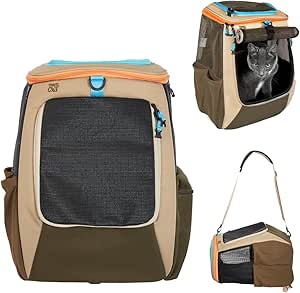
Sedate Cat for Travel
Aug 06

The Complete Guide to Sedate Cat for Travel (2025)

By Jessica Monroe | How-To & Tips

Sedate Cat for Travel represents a pivotal decision for a feline owner, a significant pharmacological intervention distinct from a simple convenience. This procedure is a core element of the broader stewardship known as Feline Travel Stress Management. The gravity of this choice is anchored by the legal mandate for an established Veterinarian-Client-Patient Relationship (VCPR), a requirement ensuring professional medical oversight and preventing the perilous misuse of medication.

sedate-cat-for-travel-1

This guide moves the owner from legacy methods to contemporary safety protocols. Key authorities, including the American Veterinary Medical Association (AVMA) and the International Air Transport Association (IATA), now contraindicate or forbid the use of traditional sedatives like acepromazine for air transport. These drugs induce chemical restraint but fail to alleviate the cat’s underlying fear, creating a dangerous state where a terrified animal experiences depressed respiratory and cardiovascular function at altitude.

The modern and ethical approach focuses on genuine anxiety reduction (anxiolysis) via a multimodal protocol. The foundational element is behavioral conditioning, supported by veterinarian-prescribed medication when indicated. A landmark 2017 study in the Journal of the American Veterinary Medical Association confirmed that a single dose of gabapentin—the current gold standard—produces a calmer, more compliant feline for travel. This comprehensive plan equips you to implement a safe, effective strategy that prioritizes your cat’s physiological stability and overall welfare.

The Comprehensive Guide to Ensuring Safety and Well-Being Sedate Cat for Travel 

I remember the first time I had to move across the country with my cat, Leo. I was a wreck, and so was he. My initial thought, born out of desperation, was to find something to knock him out for the long car ride. I look back on that now and realize how much I didn’t know and how my focus was on the wrong thing. The goal isn’t just to get through the trip; it’s to manage the entire experience in a way that prioritizes your cat’s health and emotional well-being.

The decision to sedate a cat for travel is a significant medical intervention, not a simple fix. This guide is built on that hard-won lesson. We’ll reframe the challenge from simply trying to sedate a cat for travel to implementing a comprehensive, multimodal approach. This is the veterinary standard of care, emphasizing that thorough preparation, behavioral conditioning, and professional guidance are the true keys to a successful journey. This isn’t just about medication; it’s about making the entire process less stressful for your feline companion, ensuring their safety is the absolute top priority.

Understanding Feline Travel Stress: Why the Journey is Inherently Challenging for Cats

Before we can solve the problem, we need to understand it from our cat’s perspective. Why is a simple car ride or flight so terrifying for them? It comes down to their fundamental nature.

The Feline Psyche: Territory, Control, and Predictability

Cats are creatures of habit and territory. Their home is their entire world—a predictable, secure base where they know every scent, sound, and hiding spot. Travel shatters this world. It forcibly removes them from their territory, strips them of any control over their situation, and bombards them with unpredictable and frightening new stimuli. The carrier, the rumble of a car, the strange smells of a hotel—it’s a complete sensory assault that triggers a profound fear response.

Recognizing the Signs: A Lexicon of Feline Stress, Anxiety, and Motion Sickness

It’s crucial to learn to read your cat’s body language. Stress and anxiety manifest in various ways, and it’s important to distinguish them from motion sickness, although they often overlap.

  • Vocalization: Constant, distressed meowing or yowling.
  • Hiding or Escape Behavior: Frantic attempts to get out of the carrier or hide.
  • Physiological Signs: Dilated pupils, rapid breathing or panting (which is abnormal for cats), and drooling.
  • Inappropriate Elimination: Urinating or defecating in the carrier.
  • Aggression: Hissing, growling, or swatting out of fear.

Motion sickness, caused by the inner ear’s (vestibular) response to movement, has similar signs, such as drooling and vomiting, but is a physical reaction, whereas anxiety is psychological. Many cats, unfortunately, experience both.

The “Stressor-Stacking” Phenomenon

Veterinarians often talk about “stressor stacking.” This is the concept that stress is cumulative. It’s not just one thing; it’s a pile-up of negative experiences. The cat is forced into the carrier (stressor #1), put in a noisy car (stressor #2), feels the unfamiliar motion (stressor #3), and hears strange traffic sounds (stressor #4). Each new stressor stacks on top of the last, pushing the cat from mild unease into a state of panic. This is precisely why a single solution rarely works and why a multimodal approach is essential.

The Foundational Step: Establishing a Veterinarian-Client-Patient Relationship (VCPR)

Before you even think about any medication to sedate cats for travel, your first and most crucial step is a visit to your veterinarian. This isn’t just a friendly suggestion; it’s a legal and ethical requirement.

sedate-cat-for-travel-2

Defining the VCPR

A Veterinarian-Client-Patient Relationship (VCPR) is a formal relationship established when your vet has physically examined your cat, has assumed responsibility for making medical judgments about their health, and you, the client, have agreed to follow their instructions. This relationship must be maintained with regular check-ups (typically within the last year) for a vet to legally prescribe any medication.

Legal and Ethical Imperatives

Why is this so strict? Most medications used for travel anxiety in cats are prescribed under what’s called “Extra-Label Drug Use” (ELDU). This means the drug is being used in a way that is not specifically described on its FDA-approved label (e.g., using a human drug for a cat, or using an animal drug for a condition it wasn’t originally approved for). A VCPR is a federal legal requirement for a vet to prescribe a drug via ELDU. This protects your pet, you, and the veterinarian.

Why a Pre-Travel Veterinary Health Assessment is Non-Negotiable

The pre-travel vet visit serves several critical functions. Your vet will conduct a full physical exam to ensure your cat is healthy enough for the stress of travel. They will screen for underlying conditions like heart murmurs, respiratory issues, or kidney disease that could be dangerously exacerbated by stress or medication. This is also when you will obtain essential travel documents, like a Certificate of Veterinary Inspection (CVI) or “Health Certificate,” which is required for most airline travel and interstate moves.

Behavioral Conditioning: The Cornerstone of a Low-Stress Journey

Medication can help, but it cannot replace the crucial work of behavioral conditioning. Your goal is to change your cat’s negative association with travel into a neutral, or even positive, one. This takes time and patience, but it is the most effective long-term solution.

Crate Training Your Cat: A Step-by-Step Acclimation Protocol

The carrier should be a safe haven, not a prison. If the only time your cat sees the carrier is right before a scary trip to the vet, of course, they will fear it.

  1. Make it Part of the Furniture: Leave the carrier out in your living area all the time, with the door wired open.
  2. Make it Inviting: Place their favorite soft blanket, a t-shirt that smells like you, and some toys inside.
  3. Build Positive Associations: Start feeding your cat their regular meals or high-value treats (like tuna or chicken) near the carrier, then just inside the door, and eventually, all the way in the back.
  4. Introduce Closure: Once they are comfortable eating and relaxing inside, start closing the door for a few seconds, then open it and give a reward. Gradually increase the duration the door is closed.
  5. Practice Lifting: Once they are calm with the door closed, gently lift the carrier, hold it for a few seconds, set it down, and then open the door and reward them.

Desensitization to Car Travel: From the Driveway to the Open Road

Once the carrier is a safe space, you can begin acclimating your cat to the car. This is the best way to sedate a cat for travel without drugs—by reducing the need for them in the first place.

  1. Stationary Acclimation: Place the cat in their now-familiar carrier in the parked car. Sit with them for a few minutes, speaking calmly, then take them back inside and offer a reward. Do this for several days.
  2. Introduce Engine Noise: Progress to turning the car on for a few minutes while you sit with them. Don’t go anywhere. Then, back inside for a reward.
  3. The Shortest Trip: Once they are calm with the engine running, back the car to the end of the driveway and pull back in. Reward.
  4. Around the Block: Gradually increase the length of the trips—a short drive around the block, then a slightly longer one. The key is that every trip ends at home with a positive experience.

The Critical Decision: Should You Medicate Your Cat for Travel?

Even with the best conditioning, some cats have anxiety so severe that medication is necessary. However, the choice to use a cat sedative for traveling in car or for a flight is complex.

sedate-cat-for-travel-3

The Official Position of Veterinary and Air Transport Authorities

This is critical: Major authorities like the American Veterinary Medical Association (AVMA) and the International Air Transport Association (IATA), along with most major airlines, strongly advise against or prohibit sedation for cats traveling in cargo. They are more lenient for in-cabin travel, but the concerns remain. Why? Because sedation can interfere with a cat’s ability to regulate their body temperature and maintain their balance in a moving environment, posing serious health risks.

Anxiolysis vs. Sedation: A Crucial Pharmacological Distinction

This is perhaps the most important concept to understand.

  • Sedation: This is what traditional tranquilizers do. They make an animal drowsy and physically immobilized (ataxic) but do not relieve the underlying fear and anxiety. The cat is essentially trapped in a body that won’t work while still feeling terrified. This is the effect of drugs like acepromazine on cat travel.
  • Anxiolysis: This is the goal of modern travel medications. Anxiolytics work on the brain to reduce the feeling of anxiety itself. The cat remains aware but is calmer and less fearful. Mild sedation can be a side effect, but it is not the primary goal.

Table 1: Major U.S. Airline Policies on Pet Travel and Sedation

Exploring Non-Prescription Calming Aids: An Evidence-Based Review

The market is flooded with products claiming to be an over-the-counter cat sedative for travel. It’s important to approach these with a critical, evidence-based mindset. They are best viewed as supportive aids, not primary solutions.

Synthetic Feline Pheromones (e.g., Feliway)

These products, available as sprays or diffusers, mimic the natural facial pheromones cats use to mark their territory as safe. The idea is to send a “don’t worry, this area is secure” signal. The evidence is mixed; some studies show a modest benefit, while others find no effect. They are very low-risk, however, and can be a helpful part of your multimodal approach. Spraying the carrier 15-20 minutes before use is a standard recommendation.

Nutraceutical Supplements

This category includes products with ingredients like Alpha-casozepine (Zylkene), a milk protein derivative, and L-theanine (Composure), an amino acid found in green tea. Both are thought to have calming effects on the brain. While some small studies and anecdotal reports are positive, robust, independent, placebo-controlled trials are limited.

They generally need to be started days or even weeks before travel to have an effect and are better suited for mild, ongoing anxiety rather than the acute stress of a trip. A quick note on Benadryl: while some people ask about using sedate a cat for travel, Benadryl is not a reliable anxiolytic. Its primary effect is sedation, and it can cause paradoxical excitement in some cats, making them more agitated. It should never be used without explicit veterinary guidance.

Table 2: Evidence Summary of Non-Prescription Calming Aids

Prescription Anxiolytics: A Veterinarian-Guided Option for Moderate to Severe Anxiety

When behavioral modification isn’t enough, prescription medication is the next step. This is where your veterinarian’s guidance is absolutely essential to sedate a cat for moving or traveling safely.

The Legal Framework: Understanding Extra-Label Drug Use (ELDU)

As mentioned, nearly all medication to sedate cats for travel is prescribed “off-label” under ELDU rules. This is legal and common, but underscores why a VCPR is non-negotiable. Your vet is using their professional judgment to prescribe the safest, most effective option for your cat’s specific situation.

The Importance of a Trial Dose

Never give your cat a new medication for the first time on the day of travel. A trial dose at home, a few days before the trip, is mandatory. This allows you to:

  • See how your cat reacts to the medication.
  • Check for adverse effects like profound ataxia (wobbliness) or paradoxical excitement (becoming more agitated).
  • Determine if the dose is effective or needs adjustment.

Gabapentin: The Modern First-Line Choice

Gabapentin is the go-to for most veterinarians today. It is technically an anti-seizure and nerve pain medication, but it has excellent anxiolytic effects in cats. It is considered the gold standard for cat sedative for travel gabapentin protocols.

  • Mechanism: It calms over-excited neurons in the brain.
  • Safety: It has a very high safety margin.
  • Dosing: A standard protocol is 100 mg per cat (not per kg), given 90-120 minutes before the stressful event. Your vet will determine the exact dose.

Trazodone: An Alternative for Situational Stress

Trazodone is another popular anxiolytic. It is an antidepressant that works by increasing serotonin levels. It tends to have more pronounced sedative effects than gabapentin, which may be beneficial for some cats but too much for others. A significant risk is Serotonin Syndrome if combined with other serotonin-affecting drugs.

Benzodiazepines (e.g., Alprazolam/Xanax): Use with Extreme Caution

Drugs like Alprazolam (Xanax) were once common but are now used much less frequently. While effective for some cats, they carry a significant risk of disinhibition and paradoxical excitement, where a cat can become aggressive or more frantic. They can also interfere with memory formation, which can hinder long-term behavioral modification efforts.

Table 3: Comparative Analysis of Prescription Anxiolytics

Managing Motion Sickness: The Role of Anti-Emetics

If your cat’s primary issue is vomiting or drooling due to motion, an anxiolytic may not be the right tool. This is where anti-emetics come in.

Maropitant (Cerenia): The Veterinary Standard for Nausea

Maropitant (brand name Cerenia) is a highly effective anti-nausea and anti-vomiting medication. It works by blocking the substance in the brain that triggers vomiting. It is not a sedative or an anxiolytic. It is typically given as an injection or pill about two hours before travel. For cats who suffer from both anxiety and motion sickness, it is perfectly safe to use Cerenia in combination with an anxiolytic like gabapentin, as prescribed by your vet.

The Journey Itself: Best Practices for Domestic and International Travel

With your cat conditioned and any necessary medications trialed, it’s time to manage the logistics of the trip itself.

Preparing Your Travel Documents: A Checklist

  • Certificate of Veterinary Inspection (CVI): Also known as a health certificate. Must be issued by an accredited vet, usually within 10 days of travel.
  • Rabies Vaccination Certificate: Always have a copy on hand.
  • Medication Prescriptions: Carry a copy of the prescription for any anxiolytics you are administering.

Table 4: International Travel Documentation Checklist (Example: U.S. to EU)

Traveling internationally is a complex bureaucratic process. Here is a simplified checklist for a non-commercial move of a cat from the U.S. to an EU country. Always verify the exact requirements for your specific destination country.

Navigating the Airport and Flight

If you’re using cat sedatives for flying, remember the goal is mild anxiety relief, not heavy sedation. Your cat must be able to stand and appear alert. For security screening, you will likely need to take your cat out of the carrier. Have a well-fitted harness and leash on them to prevent escape. During the flight, the airline must remain stowed under the seat in front of you.

Post-Travel Protocol: Acclimating Your Cat to a New Home

When you arrive, don’t just let your cat loose in the new house. Set up a “safe room” with their litter box, food, water, and familiar bedding. Let them decompress in this single room for a few days before gradually introducing them to the rest of the new space.

The Unseen Dangers: Deconstructing the High-Stakes Risks of Improperly Sedating a Cat for Travel

We must end by reinforcing the most important safety message. Attempting to sedate cat for travel with the wrong medication or without veterinary oversight is incredibly dangerous.

Why Traditional Sedatives Like Acepromazine Are Contraindicated for Air Travel

There is a reason acepromazine for cats travel is universally condemned by airlines and vets for air travel. “Ace” is a potent sedative that causes significant hypotension (a drop in blood pressure) and can suppress respiratory function. At high altitudes in a pressurized cabin, these effects can become life-threatening. It also impairs the body’s ability to regulate temperature and causes poor balance, increasing the risk of injury. Most importantly, as we discussed, it doesn’t even relieve the cat’s mental terror.

Consolidating the Journey: A Final Checklist for Ensuring Your Cat’s Lifelong Travel Well-being

  1. Consult Your Vet: Establish a VCPR and get a pre-travel health check.
  2. Start Behavioral Conditioning Early: Make the carrier a safe space and desensitize your cat to car travel.
  3. Understand Airline & Vet Policies: Know the rules and risks, especially regarding cat sedatives for flying.
  4. Choose Anxiolysis Over Sedation: Work with your vet to select a modern anxiolytic like gabapentin, not an outdated sedative like acepromazine.
  5. Perform a Trial Dose: Never give a new medication on travel day.
  6. Consider Adjunct Aids: Use pheromones or nutraceuticals as part of a multimodal plan.
  7. Treat Motion Sickness Separately: Use an anti-emetic like Cerenia if nausea is the problem.
  8. Prepare All Documents: Have your CVI, rabies certificate, and prescriptions ready.
  9. Plan Your Logistics: Use a harness at security and have a “safe room” prepared at your destination.
  10. Prioritize Safety Above All: If your cat is too stressed or has an adverse reaction, postpone the trip. Their well-being is the only thing that matters.

Frequently Asked Questions and Advanced Topics in Feline Travel

Is it ever safe to use Acepromazine for cat travel?

For air travel, the answer from virtually all veterinary and airline authorities is a firm no. The risks of hypotension (low blood pressure), respiratory depression, and impaired thermoregulation at altitude are too significant. For car travel, while some vets may still use it in specific circumstances, it has been largely replaced by safer, more effective anxiolytics like gabapentin that actually treat the anxiety instead of just immobilizing a terrified animal.

What is the legal definition of a Veterinarian-Client-Patient Relationship (VCPR), and why is it required for prescribing travel medications?

A VCPR is a legal relationship defined by the AVMA where a veterinarian has examined your animal, has taken responsibility for making medical judgments, and the client (owner) has agreed to follow the vet’s instructions. It is required by federal law for a vet to prescribe any drug in an “Extra-Label” manner (ELDU). Since most travel anxiety medications like gabapentin and trazodone are used off-label for this purpose, a valid VCPR based on a recent physical exam is a legal necessity.

What are the different categories of professional pet transport services, and what standards should they meet?

There are two main categories: Air Transport Specialists, who are experts in navigating airline regulations and booking flights, and Ground Transport Services, who drive pets across the country. When choosing a service, look for these key standards: USDA registration as a pet transporter, membership in the International Pet and Animal Transportation Association (IPATA), comprehensive insurance coverage, and the use of climate-controlled vehicles for ground transport.

How does Gabapentin differ from Trazodone in its effects, side effects, and ideal use cases for feline travel anxiety?

Gabapentin is the modern first-line choice. It is an excellent anxiolytic that calms the brain with predictable, manageable side effects like mild sedation and wobbliness (ataxia). Trazodone is generally considered a secondary choice. It often produces more significant sedation, which can be useful for some very high-strung cats but may be too much for others. It also carries a different risk profile, most notably the potential for Serotonin Syndrome if combined with other medications. The choice between them depends on the cat’s specific needs and health profile, as determined by a veterinarian.

What should I do if my cat has a paradoxical or other severe adverse reaction to an anxiolytic medication during travel, for example, at the airport?

This is a critical emergency scenario. If your cat becomes more agitated, aggressive, or severely disoriented after a trial dose or on travel day, you must follow this protocol: 1) Do not proceed with travel. Do not get in the car or on the plane. 2) Secure the cat in their carrier and move to the quietest, safest area you can find. 3) Immediately contact your veterinarian for guidance. If you are already on the road or at an airport, find and call the nearest emergency veterinary hospital.

What are the specific steps and documents needed for a non-commercial move of a cat from the USA to a European Union country like Germany?

The process for moving a pet to the EU is strict and must be followed precisely. The key steps are:

1. ISO Microchip: The cat must be implanted with a 15-digit ISO 11784/11785 compliant microchip before anything else.

2. Rabies Vaccination: The rabies vaccine must be given after the microchip is implanted.

3. 21-Day Wait Period: You must wait at least 21 days after the vaccination before the cat is eligible to travel.

4. EU Health Certificate: Within 10 days of your arrival in the EU, an accredited veterinarian must complete the official EU Health Certificate.

5. USDA Endorsement: This completed certificate must then be sent to your state’s USDA APHIS Veterinary Services office to be officially endorsed (stamped and signed) by a federal veterinarian.

For a comprehensive guide on ensuring a happy and joyful adventure with your feline friend, including packing lists, safety tips, and alternatives to hotels, explore our main resource: How to Travel with a Cat: 21 Practical Tips for a Happy and Joyful Adventure.

Aug 05

Cat Passport Made Simple (2025): 4 Steps to Easy Travel

By Jessica Monroe | How-To & Tips

Cat Passport, for travelers originating outside the EU, represents a meticulous portfolio of official documents, not a singular booklet. This collection includes a government-endorsed health certificate, rabies vaccination records, and specific lab results. Assembling this documentation is a high-stakes protocol. At the same time, the USDA endorses over a million pet travel certificates annually. However, hundreds of animals still face quarantine in destinations like the UK due to simple compliance failures. An error in this unforgiving process can result in denial of entry.

Cat-Passport-1

This guide delivers a definitive framework for international feline travel. We outline the universal four-step preparation sequence, from the foundational ISO microchip (before which all tests are invalid) to the mandatory waiting periods of up to 180 days and the final, government-endorsed health certificate. The content clarifies the distinction between a true EU Pet Passport and the Animal Health Certificate you will need, details the regulations for key destinations, and provides a checklist to ensure a safe, legally compliant journey for your cat.

First Things First: Understanding What a “Cat Passport” Really Is

Before you can start the process, it’s critical to understand what people mean by “cat passport,” because the term has three very different meanings. Getting this wrong can lead to devastating consequences at the border.

The Official EU Pet Passport

This is the most literal interpretation. The official EU cat passport is a specific, government-issued blue booklet. It’s a lifelong document that contains a cat’s microchip information, rabies vaccination history, and other health records. However, here’s the crucial point for American travelers: it can only be issued by an authorized veterinarian within an EU member state for a pet residing there. It is used for travel between EU countries. You cannot get an EU cat passport in the United States for travel to Europe.

The “Metaphorical” Passport: Your Travel Dossier

For anyone traveling from the US to another country, this is the most accurate and essential definition. The “cat travel passport” is a catch-all term for the complete collection of documents required by your destination country. This folder is your cat’s official ticket across the border. It typically includes:

  • An international health certificate endorsed by a government agency (like the USDA).
  • Proof of rabies and other vaccinations.
  • Results from laboratory tests (like a rabies titer test).
  • An import permit, if required.
  • Microchip registration details.

Think of it as a portfolio, not a single booklet. The overall cat passport cost will depend on which of these documents your destination requires.

The Critical Distinction: Why a Novelty “Passport” is Not a Legal Travel Document

A quick search online will show you dozens of products marketed as a “cat passport” or “cat health passport.” These are often cute, customizable booklets for you to record your cat’s health information or even just novelty passport covers. It’s easy to see one and think you’ve found a simple solution.

⚠️ OFFICIAL WARNING —

Novelty “pet passports” purchased online from gift shops or retailers have NO LEGAL VALIDITY for international travel. Attempting to use one of these products as an official travel document will result in your cat being denied entry by airlines and border control officials. They are for souvenir or personal organizational purposes only.

The Universal Step-by-Step Process for International Cat Travel

No matter where you’re going, the core process for getting a cat passport dossier ready involves a strict sequence of events. I learned the hard way that doing these steps out of order will invalidate the entire process, forcing you to start over and costing you precious time and money.

Cat-Passport-2

Step 1: The Golden Rule – ISO Microchip Implantation First

This is the absolute, non-negotiable first step. Your cat must be identified with an ISO 11784/11785 compliant 15-digit microchip. This microchip is your cat’s permanent ID. Any vaccinations, treatments, or blood tests performed before the microchip is implanted and verified will be considered invalid for travel purposes. The vet must scan the chip before and after any procedure to confirm your cat’s identity.

Step 2: Rabies Vaccination and the Mandatory 21-Day Wait

After the microchip is implanted, your cat must be vaccinated against rabies. Most countries require the cat to be at least 12 weeks old for this vaccination. For travel to many destinations, including the entire EU and the UK, there is a mandatory waiting period of at least 21 days after the vaccination is administered before the cat is eligible for travel. This waiting period ensures the vaccine has become effective. When planning for a young cat, this step is central to creating a kitten passport timeline.

Step 3: The Rabies Titer Test – The Biggest Timeline Hurdle

This is the step that trips up most pet owners. A rabies titer test (also known as an RNATT) is a blood test that measures the level of rabies antibodies in your cat’s system, proving the vaccine was effective. It is required for entry into many rabies-free or rabies-controlled regions (like the EU, UK, Japan, and Australia) when traveling from a country considered high-risk for rabies.

The timeline here is critical and unforgiving. After the vet draws the blood sample (which must be at least 30 days after the rabies vaccine), you must wait a specific period before your cat can enter the destination country.

  • For the EU and UK: A 3-month waiting period begins on the day the blood sample is drawn.
  • For Australia and Japan: A 180-day waiting period begins on the day the blood sample is drawn.
    This long wait is a significant factor in the total timeline for getting a cat passport and must be the first thing you plan for.

Step 4: The Final Health Certificate and Government Endorsement

In the final days before your flight, you must visit an accredited veterinarian for a final health check. The vet will issue the official international health certificate required by your destination. This document is time-sensitive and usually must be completed within 10 days of your arrival. This vet visit and the paperwork itself contribute to the overall cat passport cost. Crucially, this certificate is not valid with just your vet’s signature. It must be sent to a government authority—in the US, this is the USDA-APHIS—for an official endorsement stamp and signature. Only then does it become a legal travel document.
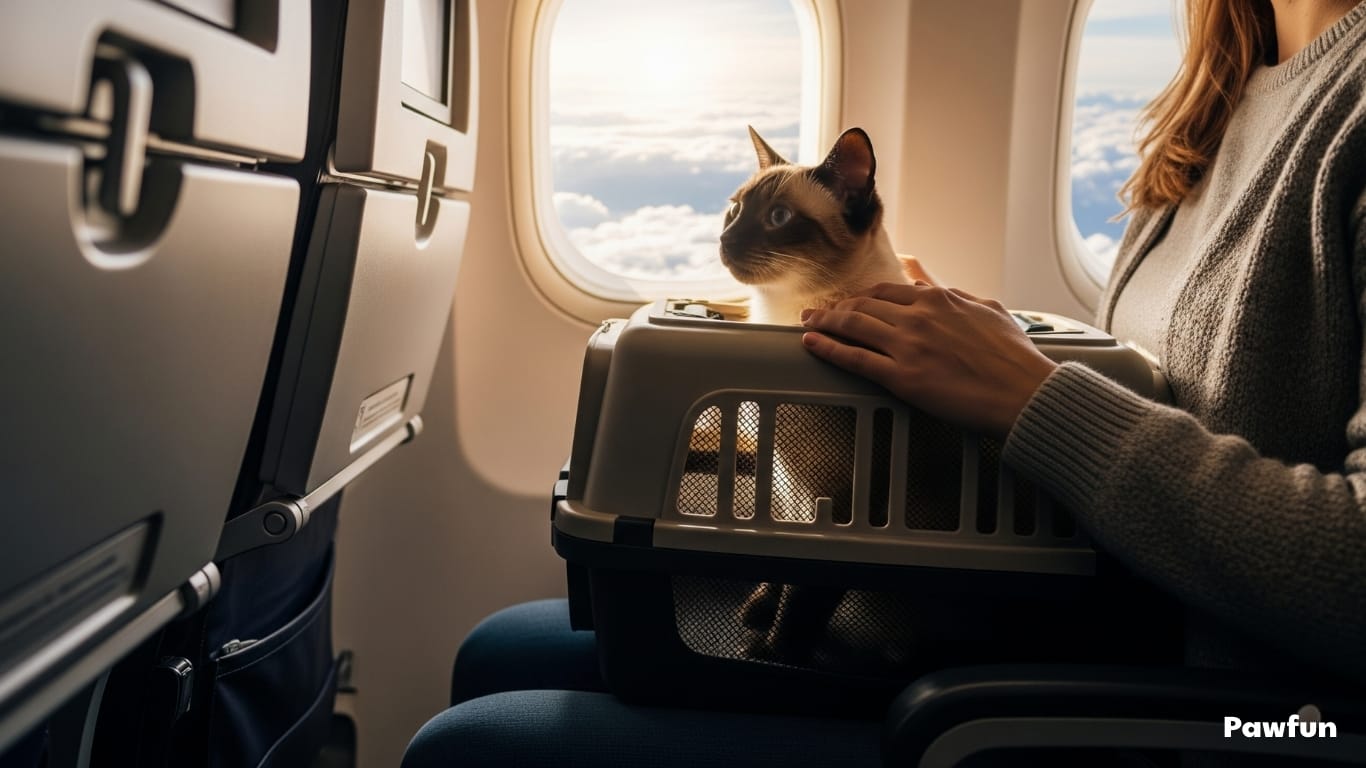
Destination-Specific Deep Dive: Navigating Key Country Regulations

While the steps above are universal, the exact documents you need for your cat travel passport depend entirely on your destination. Here’s a look at the requirements for the most common travel corridors.

Cat-Passport-3

The European Union (EU) & Post-Brexit United Kingdom (UK)

Many people ask about an EU cat passport, but as a US resident, you’ll be using a different document.

  • Entering the EU from a Non-EU Country (e.g., USA): The Animal Health Certificate (AHC)
    When traveling from the US to an EU country like France, Spain, or Italy, your cat needs a country-specific Animal Health Certificate (AHC). This is a single-use document that replaces the EU cat passport for non-EU travelers. It must be issued by a USDA-accredited veterinarian and endorsed by APHIS within 10 days of your arrival in the EU.
  • Entering the UK: The GB Health Certificate and Post-Brexit Rules
    Following Brexit, the rules for the UK changed. To bring your cat directly to England, Scotland, or Wales from the US, you will need a Great Britain (GB) Health Certificate. This is similar to the EU’s AHC but is specific to Great Britain. A critical post-Brexit rule to remember is that pet passports issued in Great Britain are no longer valid for travel into the EU.
The United States (USA): The USDA-APHIS Endorsement Ecosystem

For those preparing a cat passport USA dossier to leave the country, understanding the American system is key. It’s a two-part process involving your local vet and the federal government.

  • The Role of the USDA-Accredited Veterinarian
    You cannot go to just any veterinarian to get your international travel forms. You must use a USDA-accredited veterinarian. These are private vets who have undergone special training with the U.S. Department of Agriculture (USDA) and are authorized to sign federal export documents like international health certificates.
  • Securing the Mandatory APHIS Endorsement (VEHCS vs. Mail)
    After your accredited vet completes the paperwork, it must be sent to the USDA’s Animal and Plant Health Inspection Service (APHIS) for the official government endorsement. This is the final step that makes your cat’s health passport documents legal. You have two options: the traditional, slower mail-in process or the much faster and highly recommended online portal, the Veterinary Export Health Certification System (VEHCS). Using VEHCS can reduce the endorsement time from days or weeks to just a few hours, which is a lifesaver given the tight 10-day travel window. The endorsement service has a fee, which is a key part of the final cat passport cost.

High-Scrutiny Nations: The 180-Day Wait for Australia & Japan

If you’re heading to a rabies-free nation like Australia or Japan, be prepared for one of the most rigorous and lengthy import processes in the world.

  • Importing a Cat to Australia: A 6+ Month Process
    Australia’s process is exceptionally strict. It requires you to first apply for and receive an Import Permit. The method includes the non-negotiable 180-day waiting period that starts after a successful titer test. In the final weeks, your cat will need extensive treatments for internal and external parasites. Upon arrival, all pets must undergo a mandatory 10-day quarantine at the Mickleham post-entry quarantine facility in Melbourne.
  • Importing a Cat to Japan: A Rigorous Protocol
    Japan’s process is equally demanding. The requirements for your cat travel passport include two rabies vaccinations, the whole 180-day waiting period after the titer test, and a mandatory Advance Notification that must be filed with Japan’s Animal Quarantine Service (AQS) at least 40 days before you arrive. Failure to follow this protocol ideally can result in a lengthy quarantine period.

Clarifying Common Questions and Misconceptions

Now that you understand the complex legal requirements for getting a cat passport, let’s address some common questions to clear up any lingering confusion.

What is the difference between an EU Pet Passport and an Animal Health Certificate?

An EU cat passport is a multi-use, lifelong booklet issued to EU residents for travel within the EU. An Animal Health Certificate (AHC) is a single-use document required for pets entering the EU from an outside country, like the USA.

What types of “cat passport” products can I buy online?

Online products marketed as a “cat passport” are strictly for novelty or personal use. They fall into a few categories: 1) decorative covers for human passports, 2) unofficial cat health passport booklets for you to log vet visits, 3) gag gifts or toys, and 4) digital templates you can print at home. None of these are legal travel documents and will be rejected by officials.

How do the requirements for the UK and Australia compare in terms of timeline and complexity?

Travel to the UK from a country like the US requires a 3-month wait after a successful rabies titer test, but there is no mandatory quarantine if all rules are followed correctly. Travel to Australia is significantly more complex and lengthy. It requires a 180-day wait, a pre-approved import permit, and a mandatory 10-day quarantine at a government facility upon arrival.

Do I need a “cat passport” for domestic travel within the USA?

No, a “cat passport” dossier is not required for domestic travel between states. However, most airlines and some states require a Certificate of Veterinary Inspection (CVI), often called a domestic health certificate. This document must be issued by a veterinarian within a specific timeframe before your trip, typically 10 to 30 days.


Assembling Your Cat’s Official Travel Dossier: A Final Checklist for Success

After all the planning, waiting, and vet visits, your metaphorical “cat passport” is finally ready. It’s not a single item but a carefully organized folder containing every official document. This complete and accurate dossier is the key to a successful journey.

Document Checklist: The Non-Negotiable Items for Your Journey

Your final travel folder should contain the original copies of the following:

  • Official, government-endorsed Health Certificate (e.g., AHC for EU, GB Health Certificate for UK)
  • Original Rabies Vaccination Certificate
  • Rabies Titer Test Laboratory Report (if required by your destination)
  • Import Permit (if needed, e.g., Australia, New Zealand)
  • Microchip Registration Certificate

Final Preparations: Airline & IATA-Compliant Crate Compliance

Remember that in addition to country requirements, you must also comply with your airline’s specific rules for pet travel. Check their policies well in advance. Ensure your cat’s travel carrier is IATA (International Air Transport Association) compliant. This is crucial for their safety and for the airline to accept them on board. To ensure you are fully prepared for the journey through the airport and in the air, explore the specific strategies in our guide: Flying with a Cat: 7 Essentials to Master the Skies for a Joyful Trip.

The Pet Owner’s Ultimate Responsibility: Ensuring a Safe and Compliant Journey

Ultimately, the responsibility for a safe and legally compliant journey rests on you, the owner. The actual “cat passport” is the peace of mind that comes from knowing you have done your research, followed every step in the correct order, and have the complete, endorsed paperwork to prove it. By decoding the official requirements and avoiding the pitfalls of novelty products, you are paving the way for a smooth, stress-free transition for both you and your feline companion to your new home.

For a comprehensive guide on ensuring a happy and joyful adventure with your feline friend, including packing lists, safety tips, and alternatives to hotels, explore our main resource: How to Travel with a Cat: 21 Practical Tips for a Happy and Joyful Adventure.